October 2024
We uplift rural communities by improving access to quality education in government schools.Empowered children become the foundation for sustainable village and national progress.
Bathukamma Celebrations
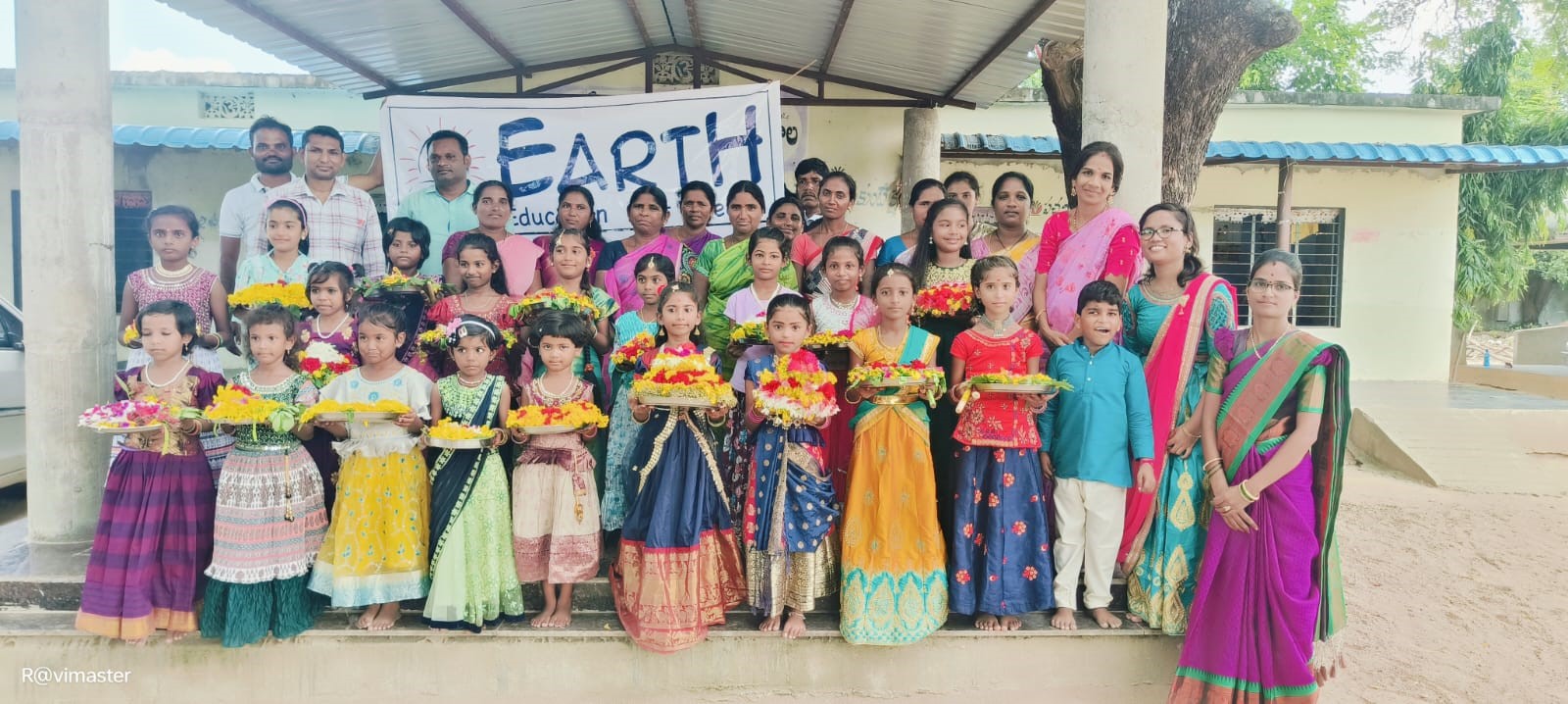
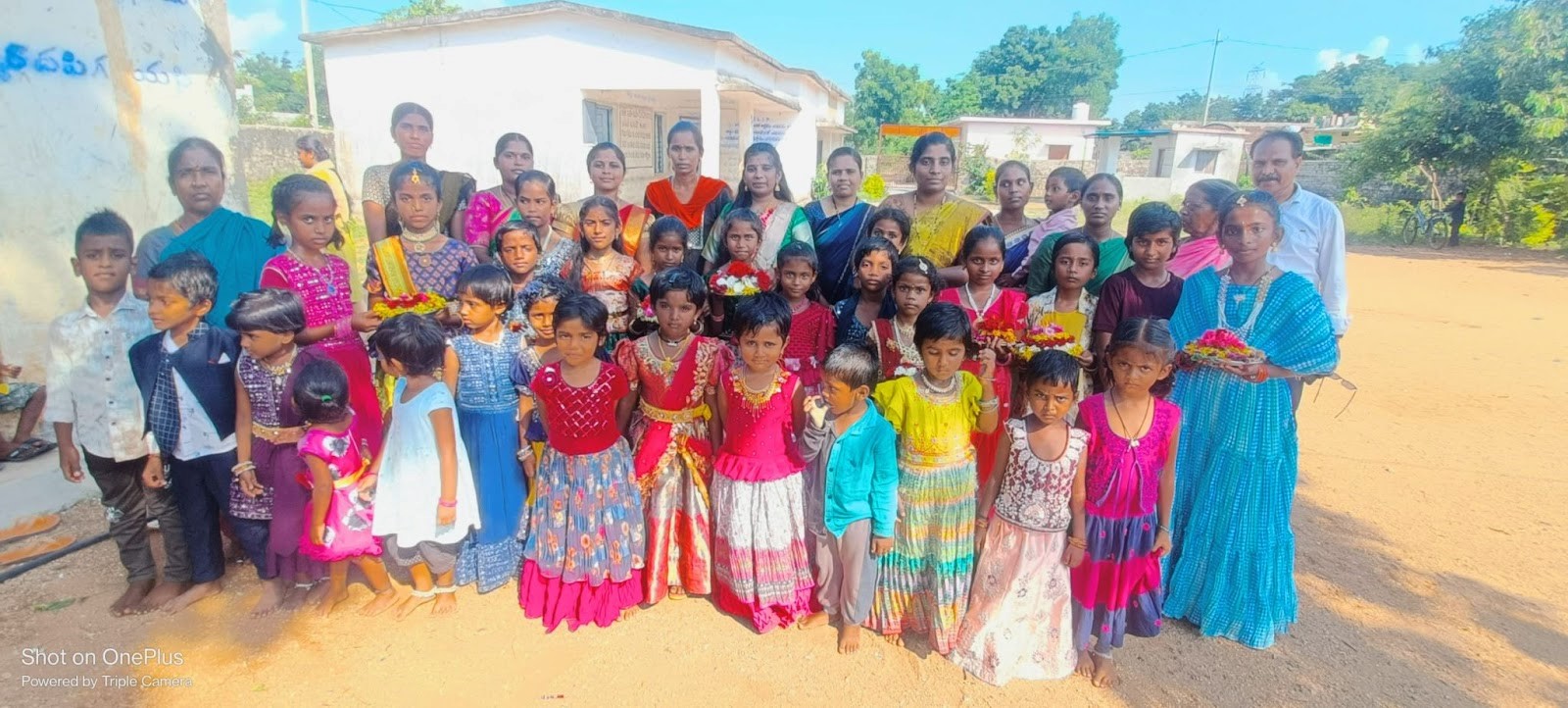
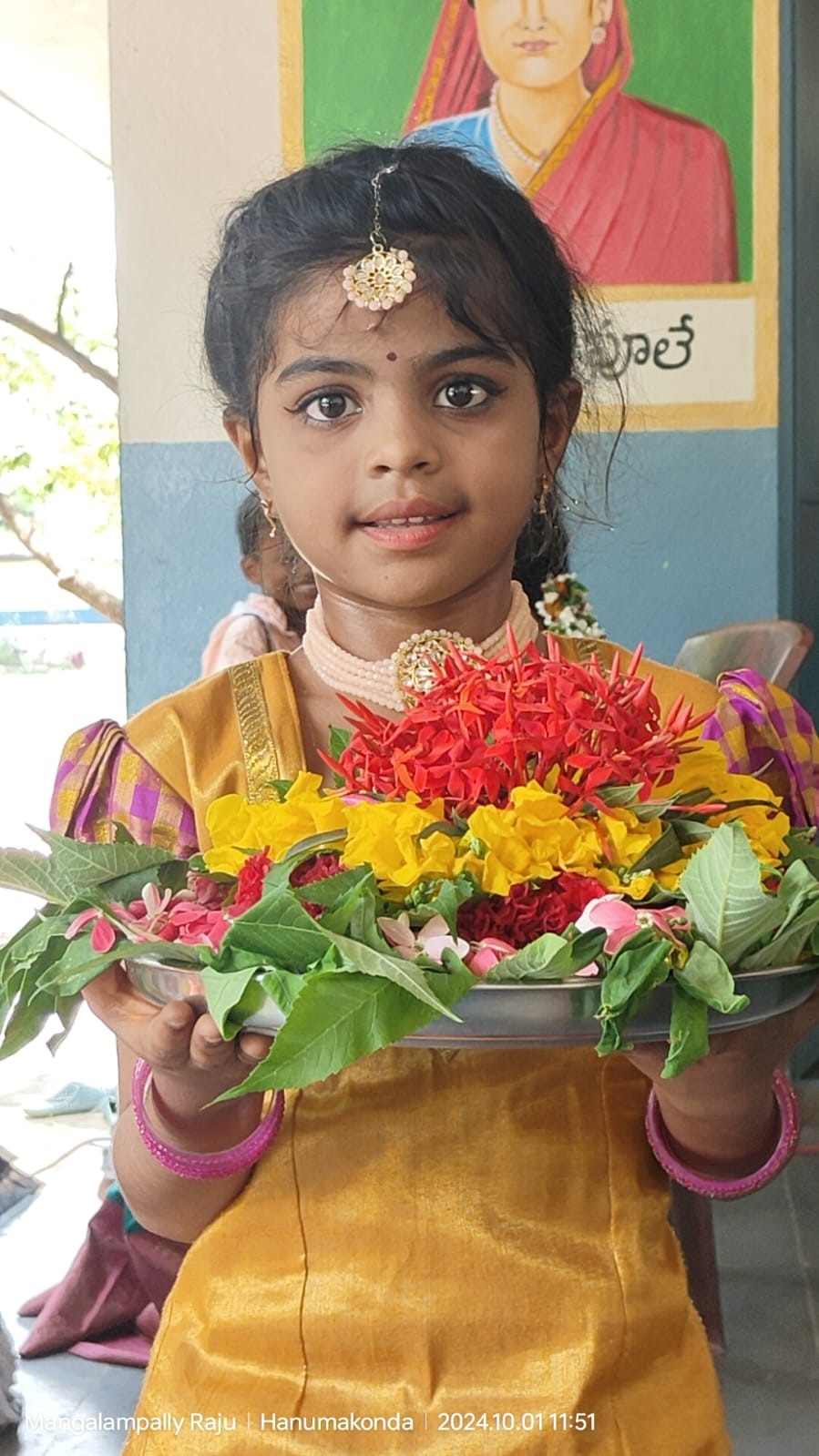
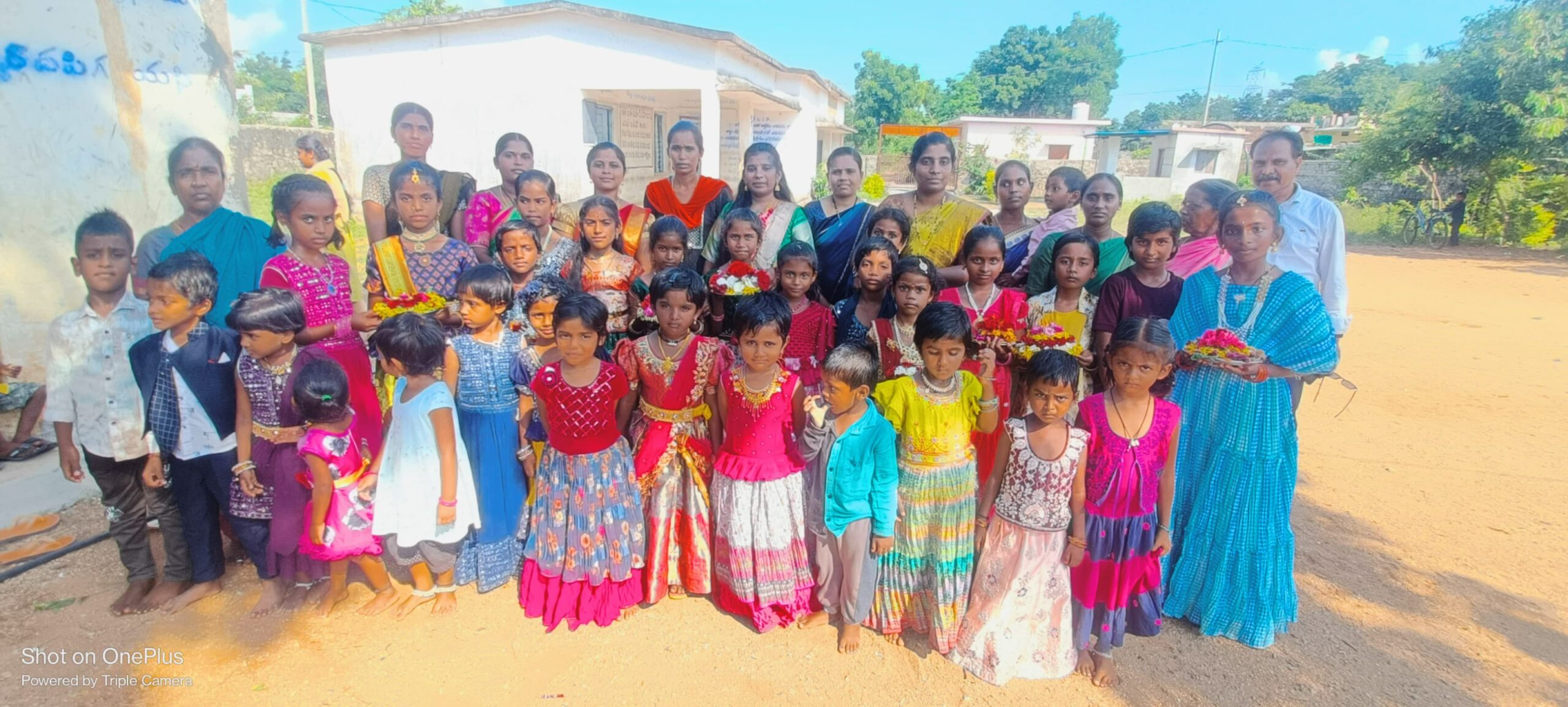
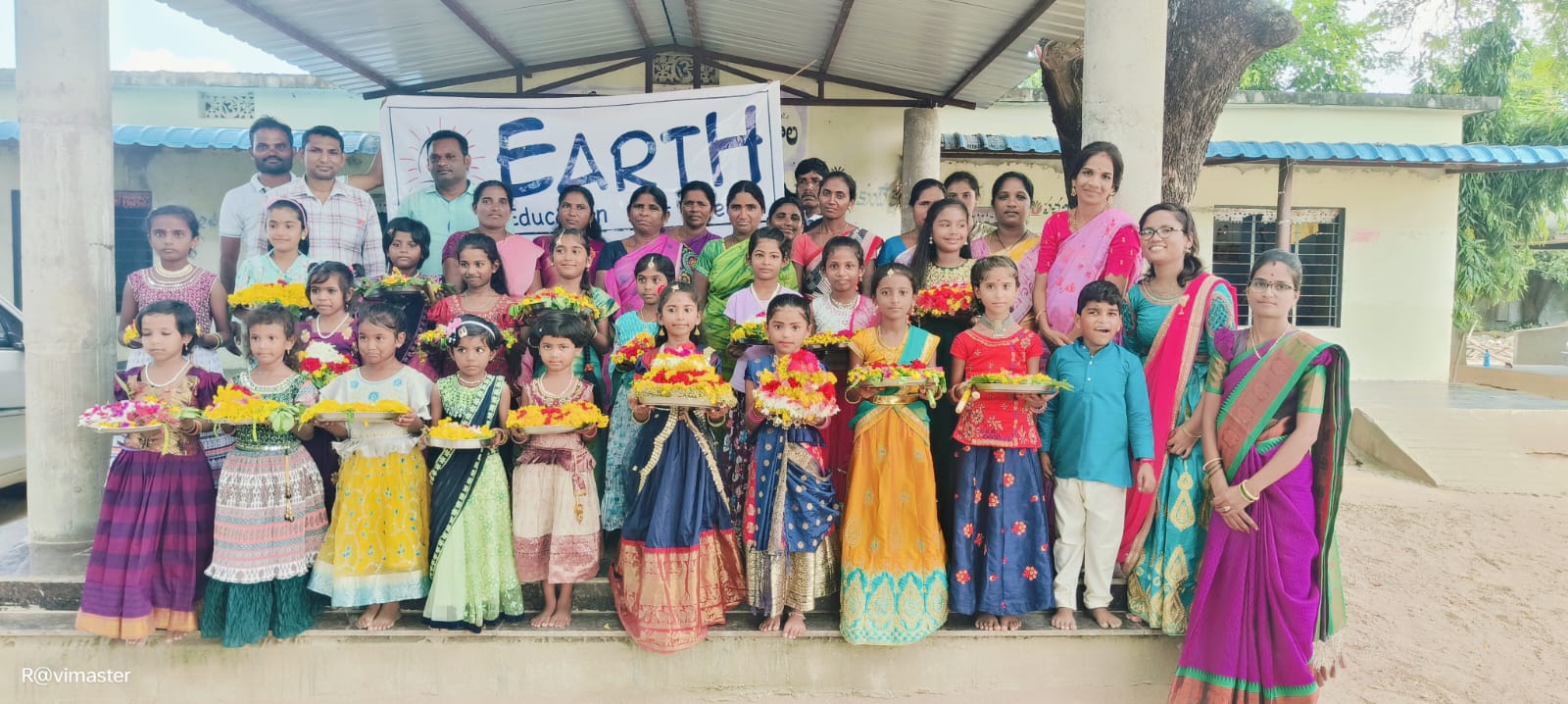
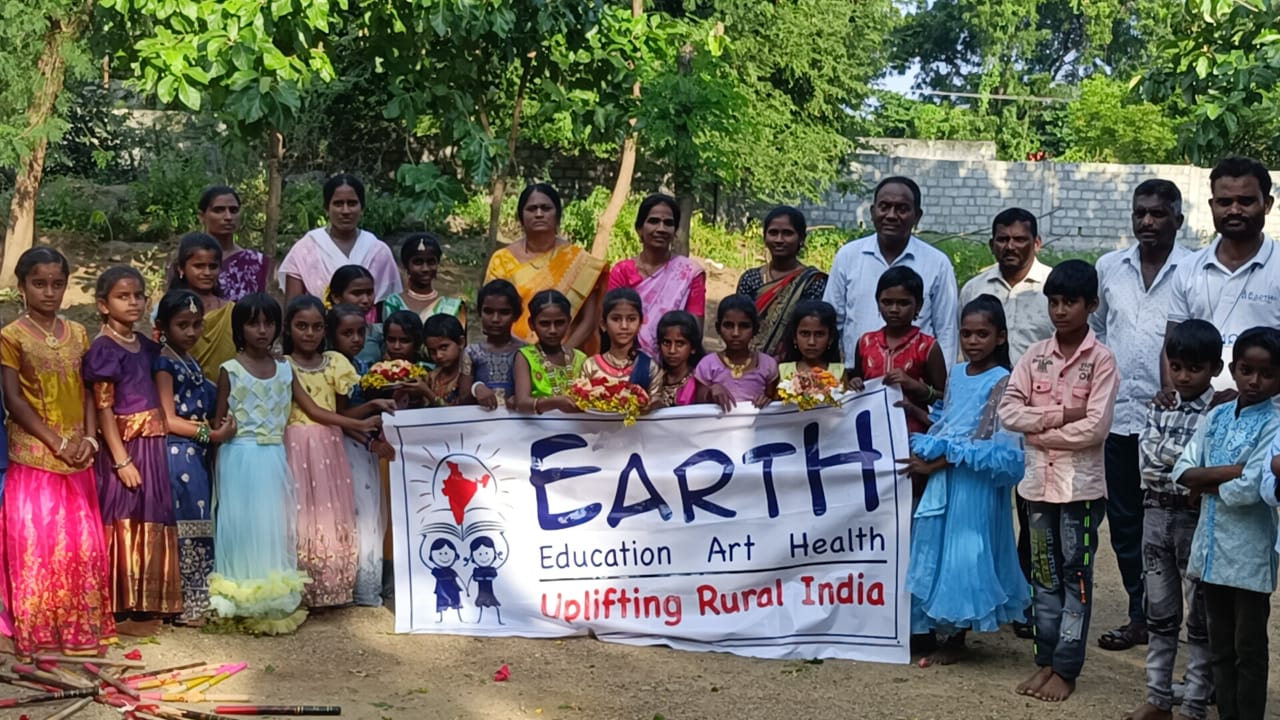
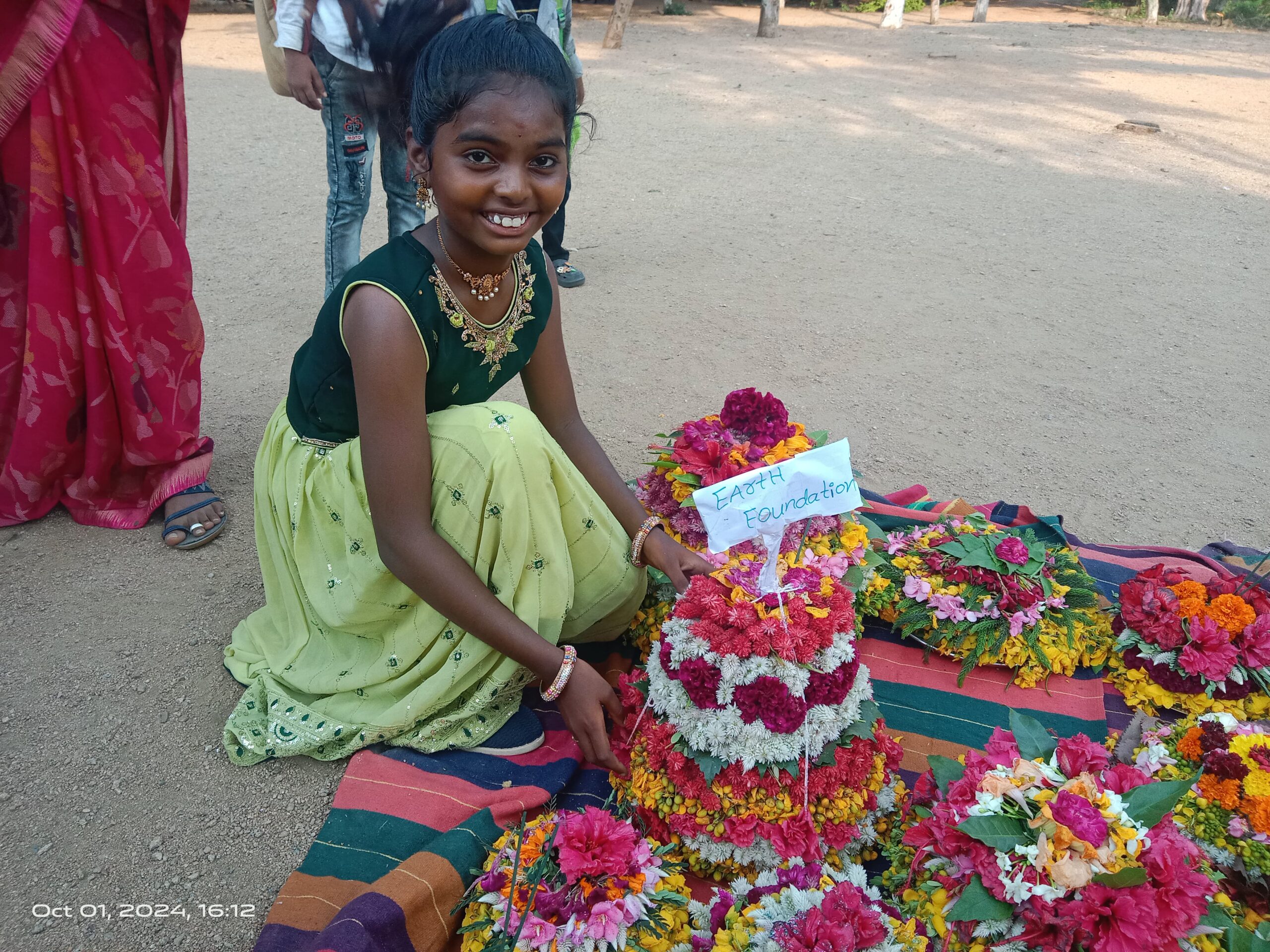
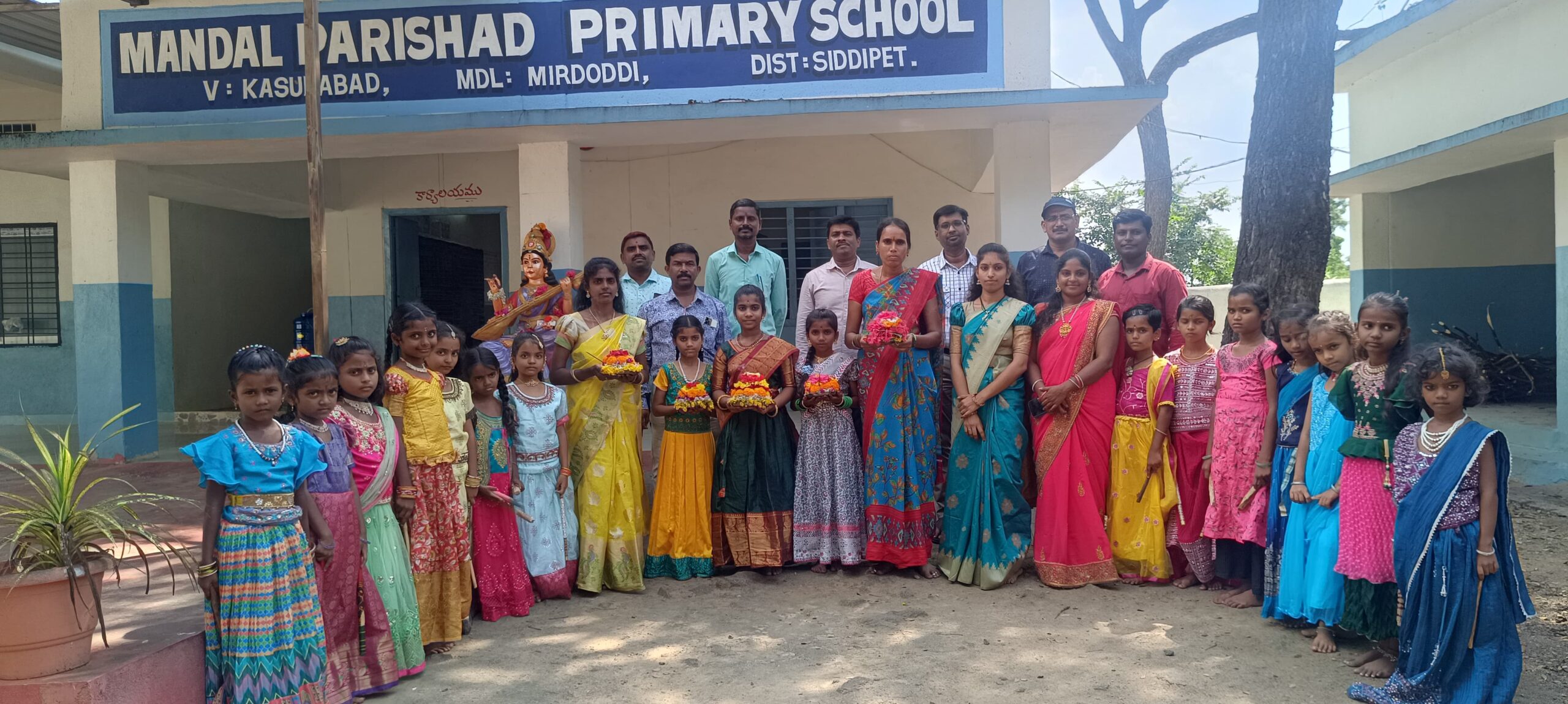
Bathukamma, one of Telangana’s most cherished cultural festivals, was celebrated with remarkable enthusiasm across all EArtH Foundation’s adopted schools. Preparation began days in advance, with students collecting fresh flowers, arranging them in beautiful layers, and learning about the significance of each flower used in the Bathukamma. Teachers guided students through the tradition, explaining how the festival honors nature, womanhood, and community harmony.
On the day of the celebration, the school grounds were transformed into a vibrant space filled with colors, music, and joyful participation. Students wore traditional attire, adding charm to the occasion. Everyone joined in the rhythmic dandiya and folk songs that echoed across the school premises. The procession and immersion of the Bathukammas created a memorable shared experience.
Many students expressed pride in participating in a festival rooted deeply in Telangana’s culture. One of the schools organized a competition, where students showcased their creativity by designing Bathukammas with unique patterns and color combinations. Three groups were awarded prizes, encouraging healthy competition and artistic expression. Overall, the event strengthened cultural identity, teamwork, and community bonding.




Abdul Kalam Birthday Celebrations
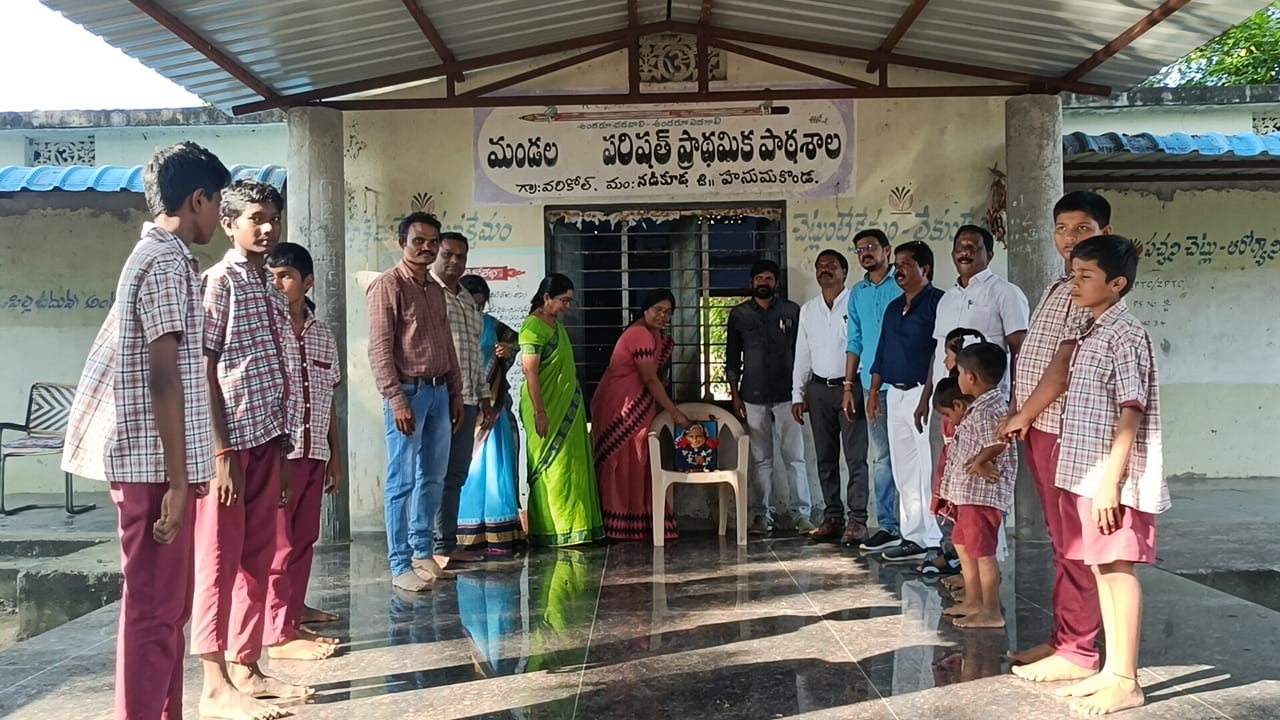
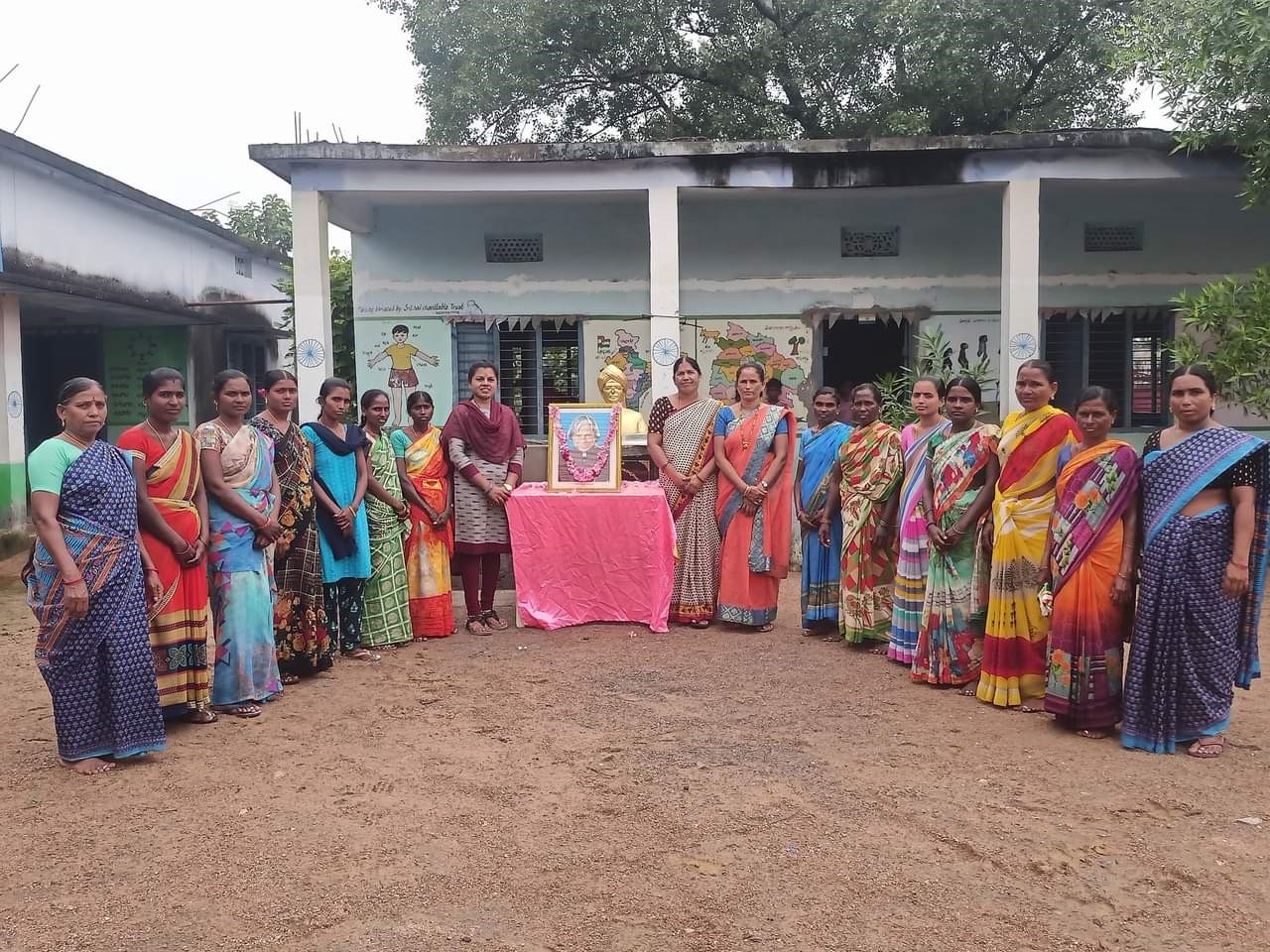
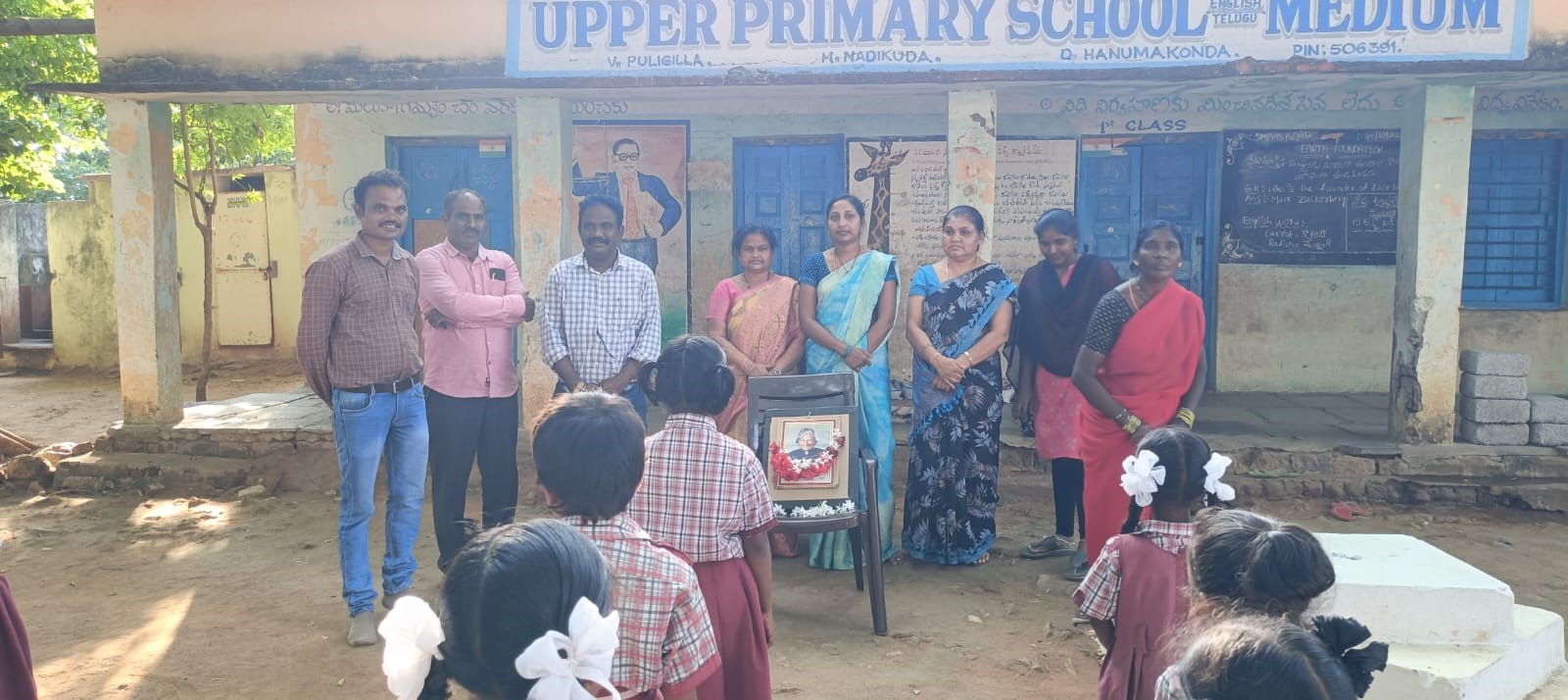
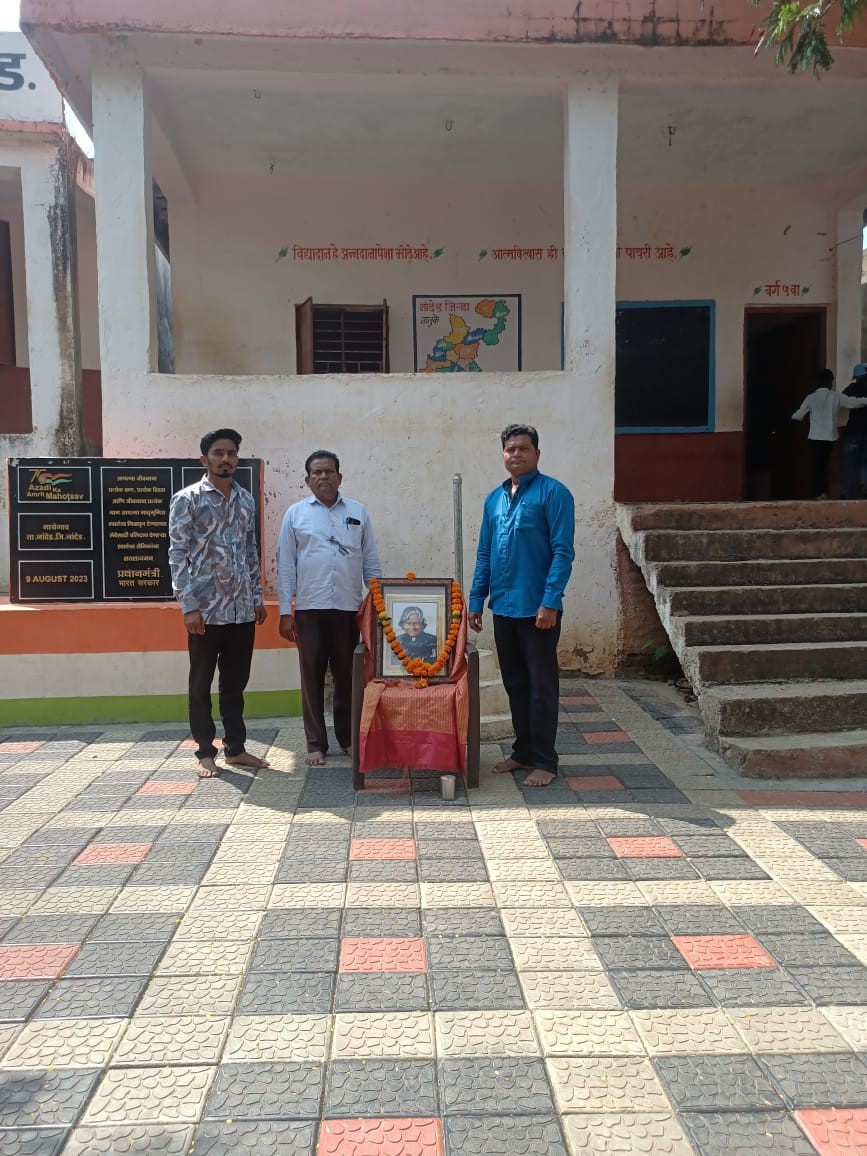
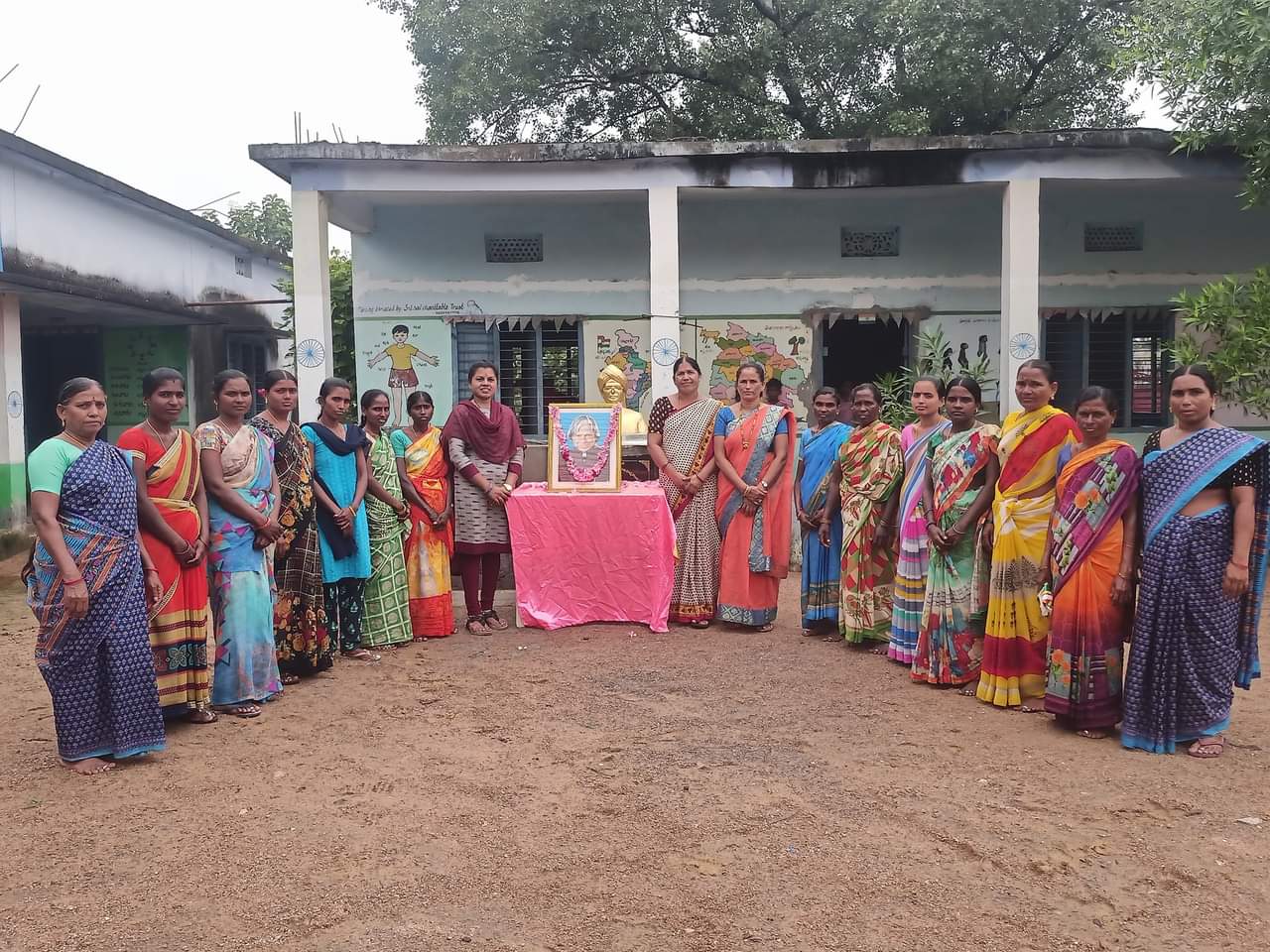
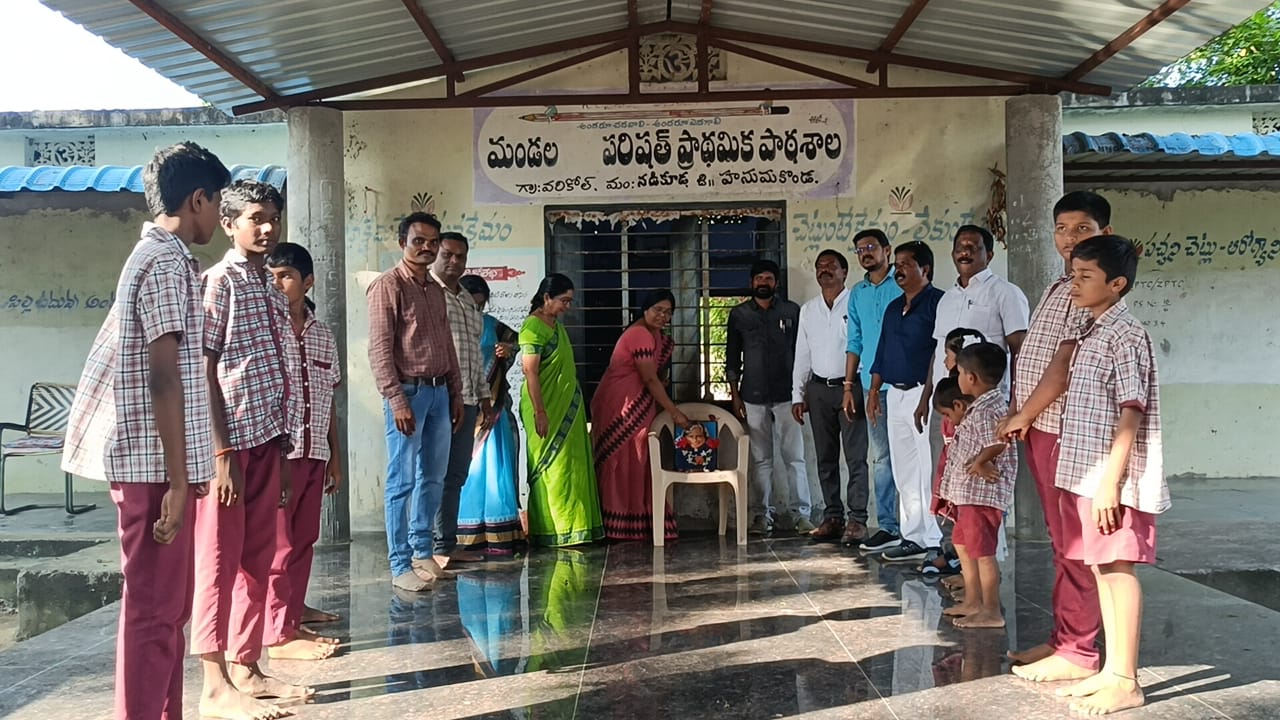
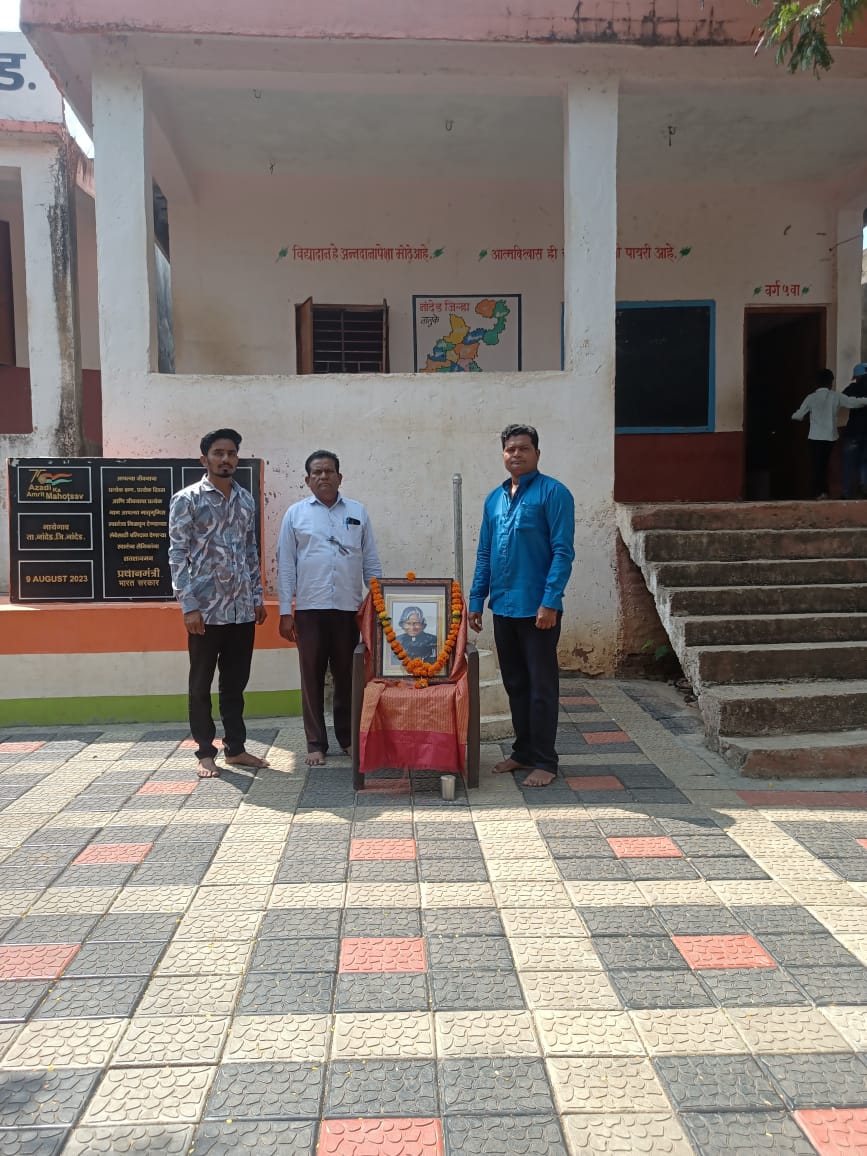
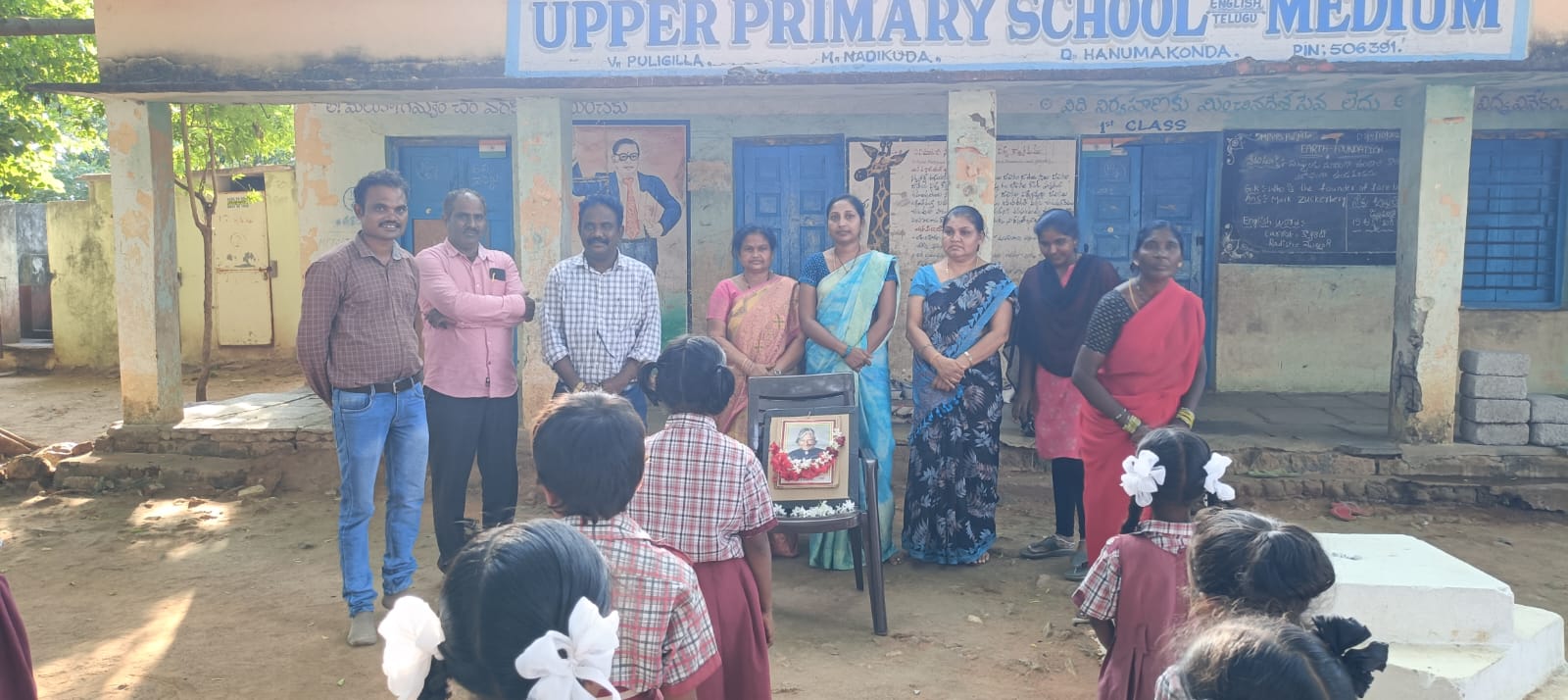
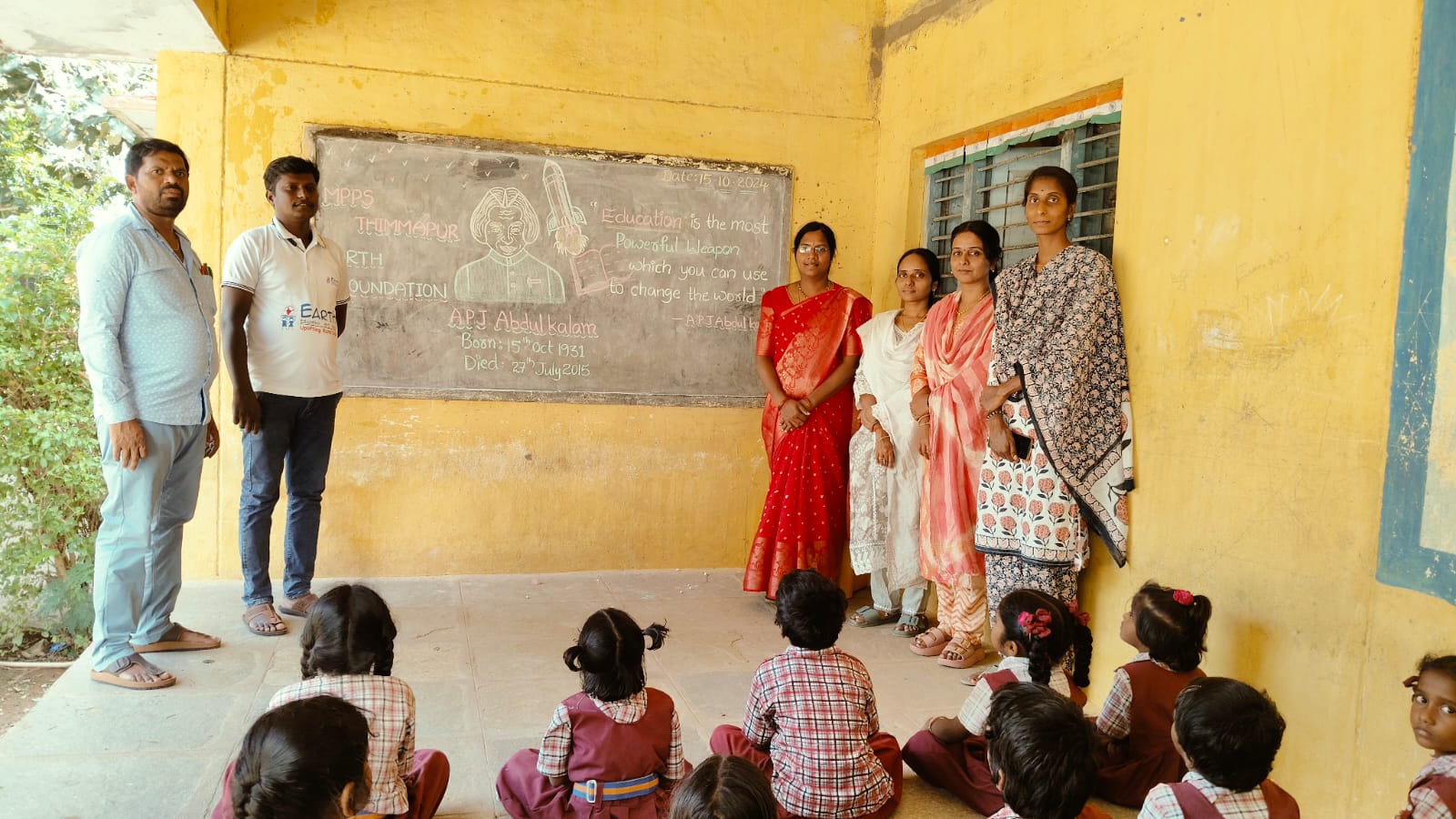
Dr. A.P.J. Abdul Kalam’s birth anniversary was celebrated with admiration and heartfelt respect in both Telangana and Maharashtra adopted schools. Students gathered for a special assembly where a floral garland was placed in front of his photograph, symbolizing gratitude for his contributions to science, education, and the nation.
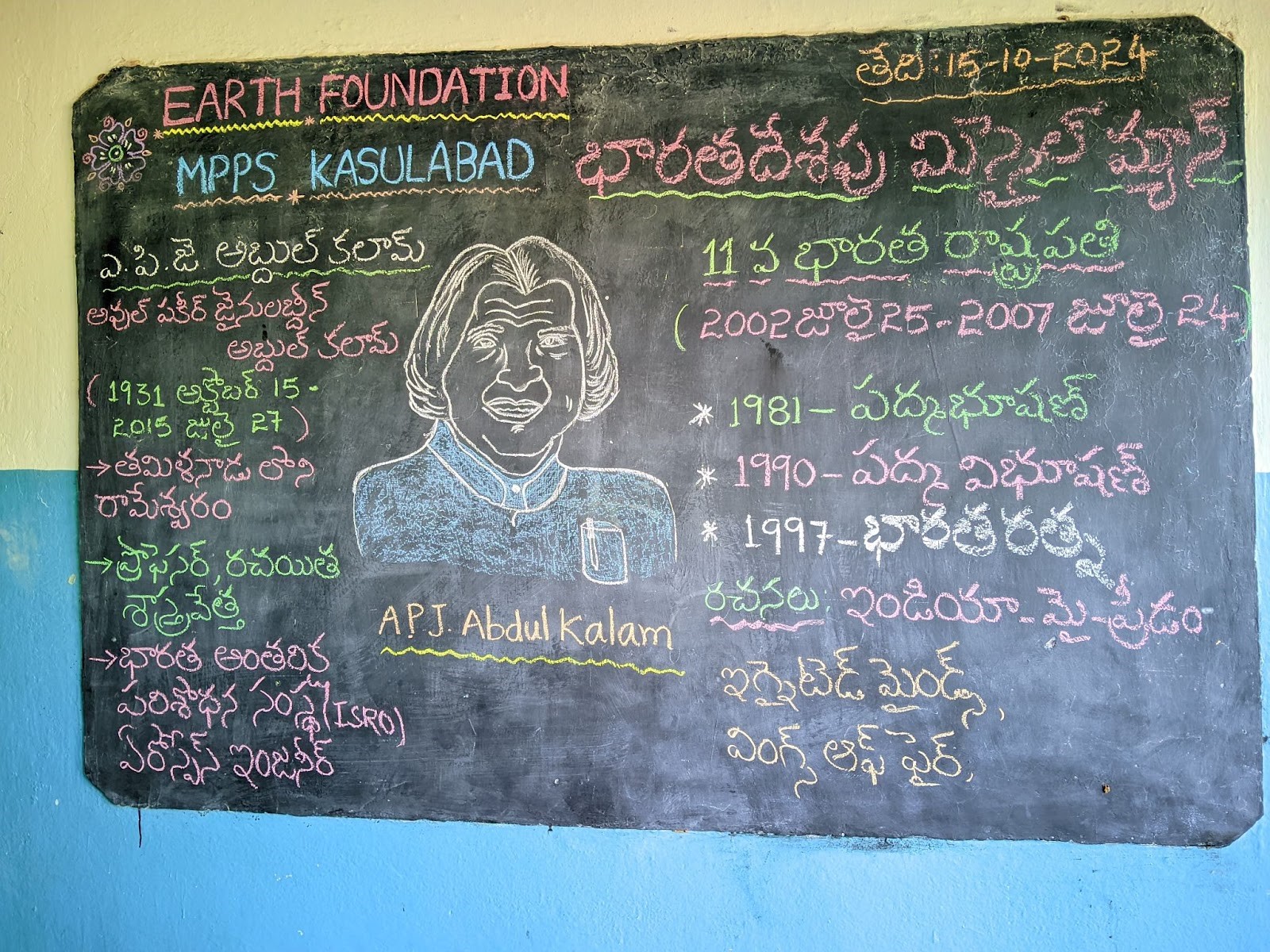
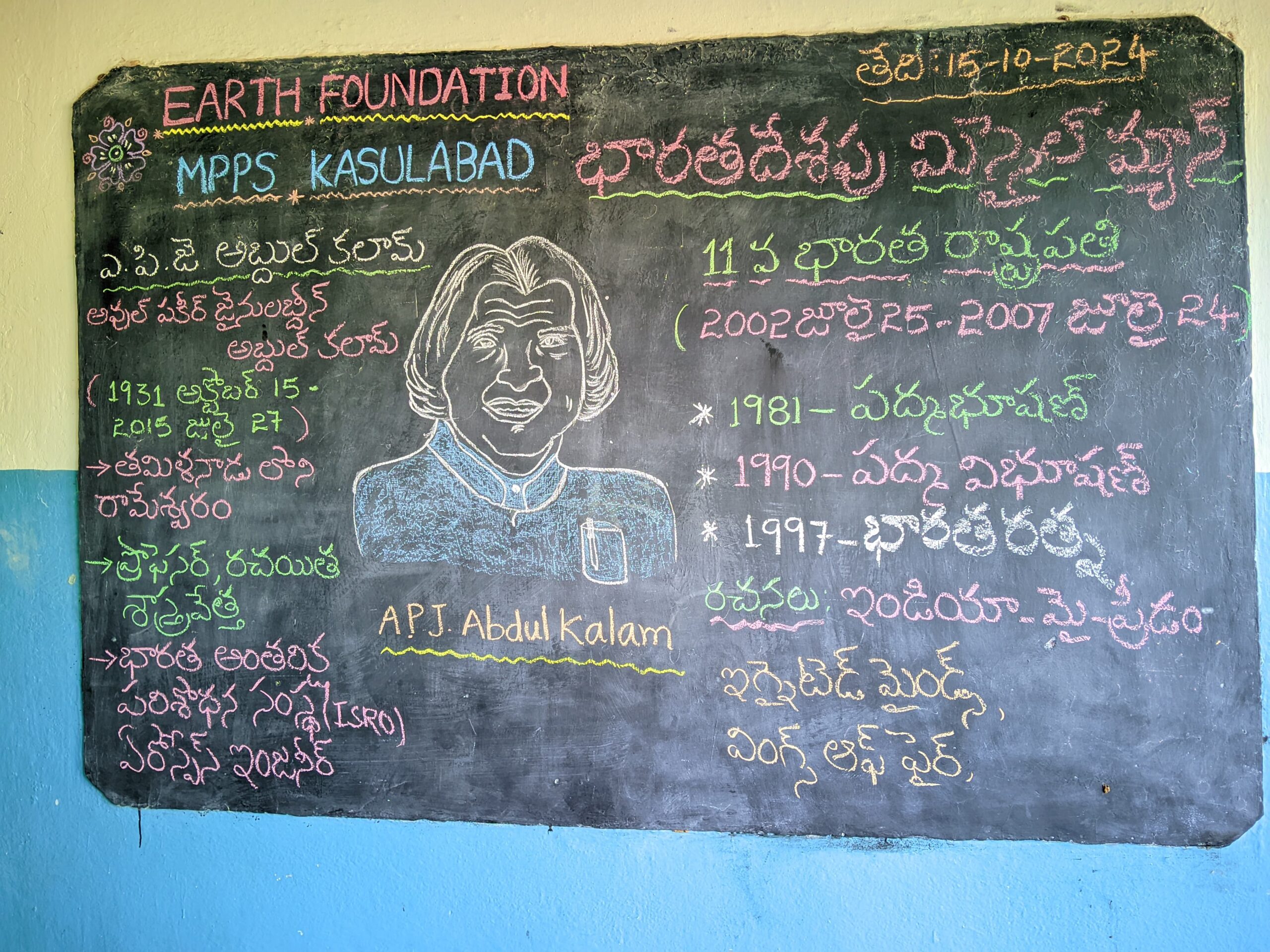
Teachers delivered inspiring speeches, recounting Dr. Kalam’s journey from humble beginnings to becoming the “Missile Man of India” and the 11th President of the country. They emphasized his values of perseverance, humility, simplicity, and lifelong learning—qualities that continue to motivate young minds.
A few students the opportunity to present speeches of their own, sharing what they found most inspiring about Dr. Kalam’s life. Some spoke about his work in ISRO, others discussed his books and motivational messages, especially his belief that “Dreams are not what you see in sleep, but those that do not let you sleep.” The celebration encouraged students to dream boldly, work passionately, and believe in the power of education.

Dassara holiday project to Rice Mill
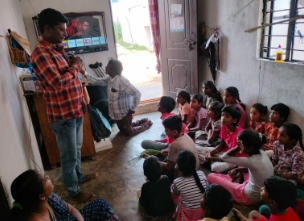
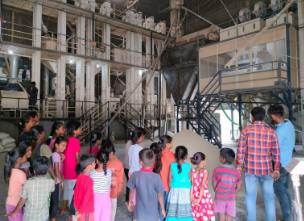
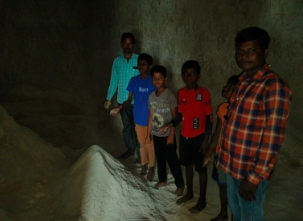
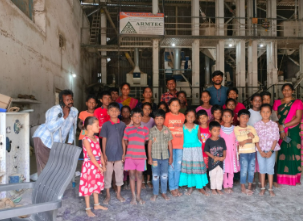
In an effort to foster experiential learning, EArtH Foundation organized a detailed educational visit for students to a rice mill in Bhoompalli village. This initiative was part of a Dussehra holiday learning project designed to give students practical awareness of agricultural processing—an industry that plays a major role in their rural communities.
At the rice mill, students observed the entire process of how harvested paddy is sorted, cleaned, de-husked, polished, and transformed into edible rice. Workers and coordinators patiently explained each step, helping students connect classroom concepts to real-world applications. Many students, who had seen paddy fields in their villages but never the processing machinery, found the experience eye-opening.
The visit was guided by coordinators Anjaneyulu and Prashant, Chairperson Gautami Madam, and staff members Sarita and Navitha. Several parents participated as well, strengthening parent-school engagement. After returning, students watched a story film explaining the cultural and spiritual significance of Dussehra, reinforcing the themes of victory, courage, and knowledge. The project successfully blended cultural learning with scientific observation.
Global Handwashing Day
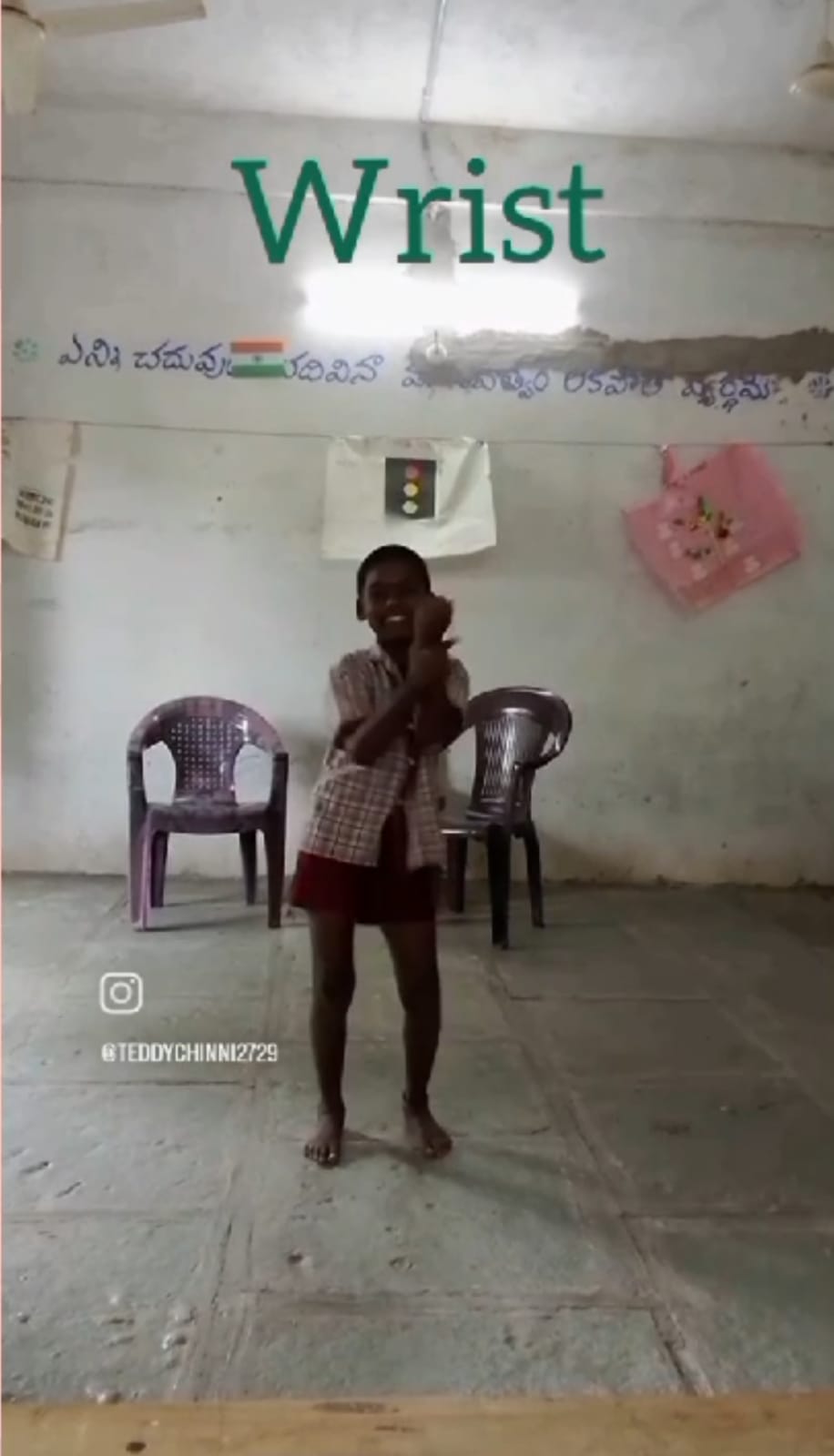
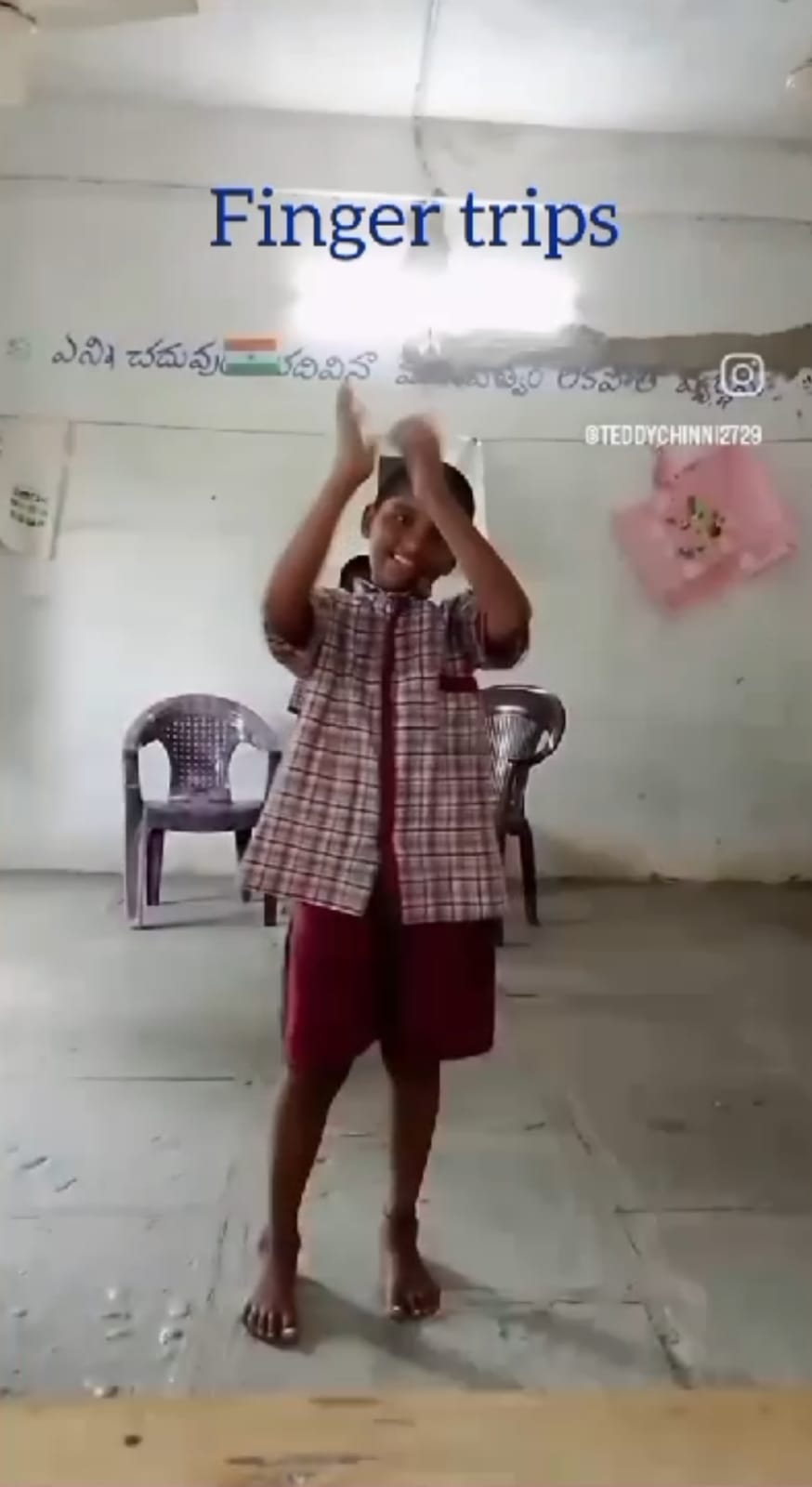
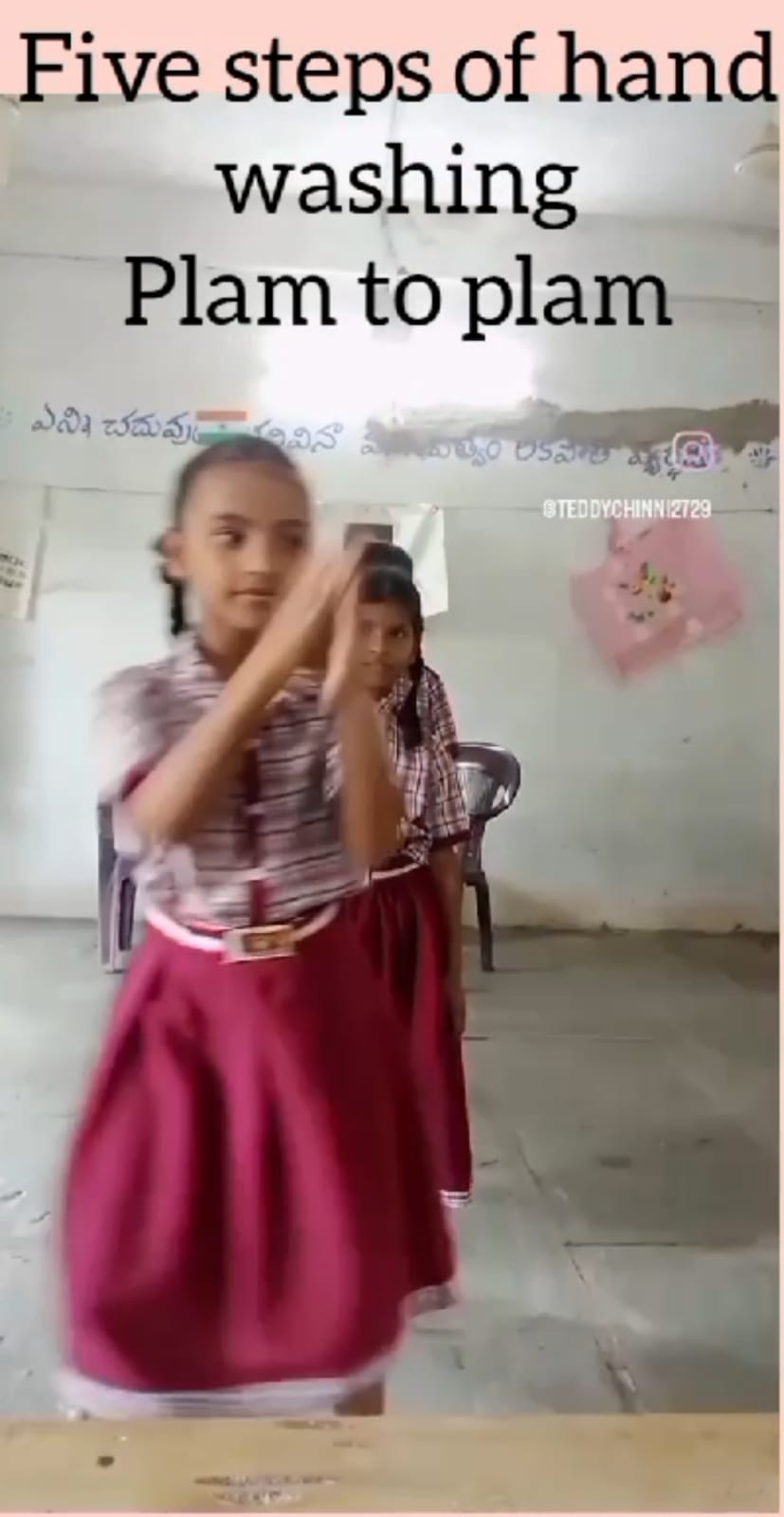
Global Handwashing Day was celebrated with interactive and educational activities in Thimmapur and Puligilla schools. Students participated in a carefully planned program designed to teach the importance of hygiene in preventing illness. Teachers began by explaining how germs spread and how handwashing plays a crucial role in protecting oneself and others.
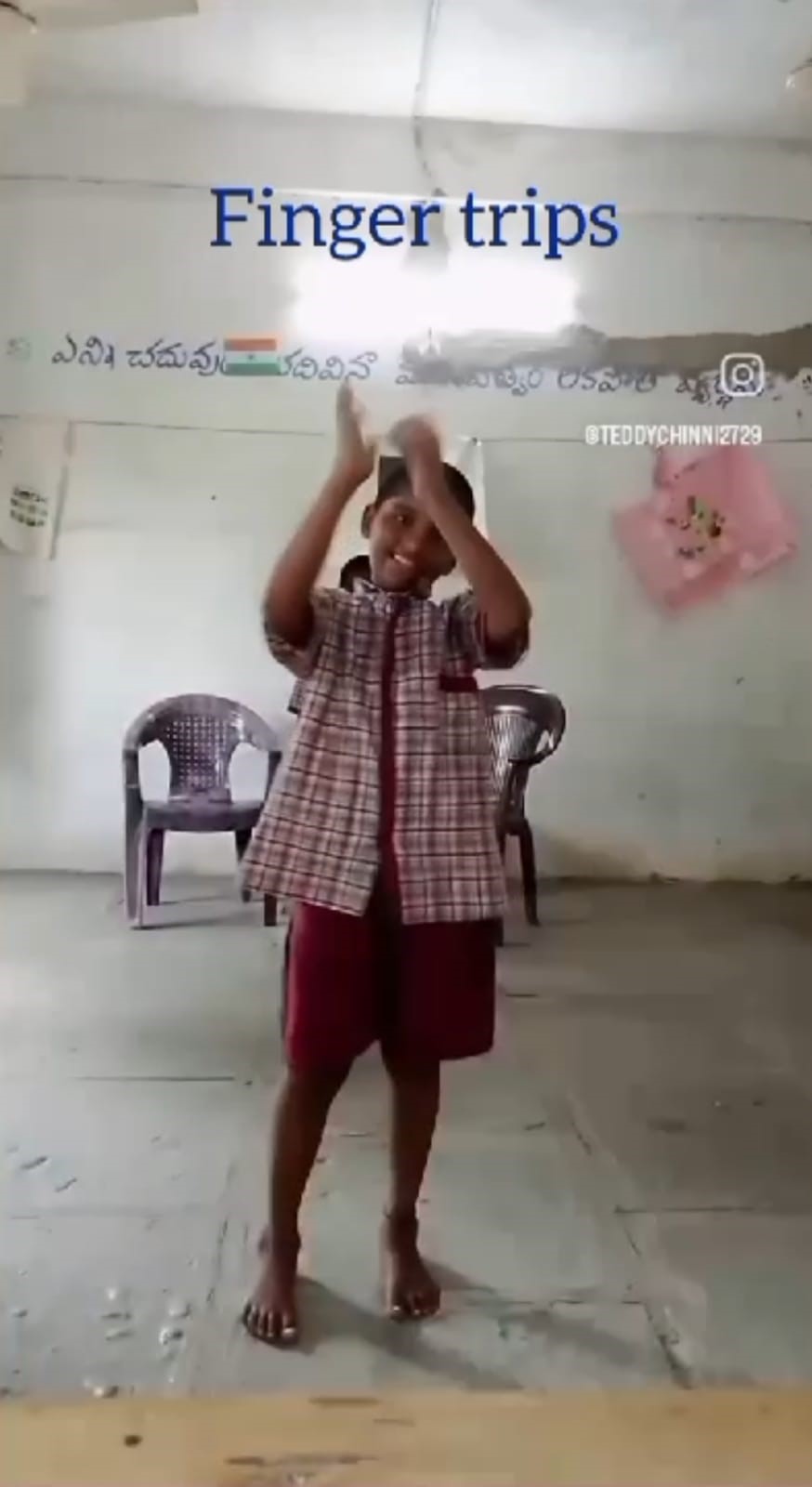
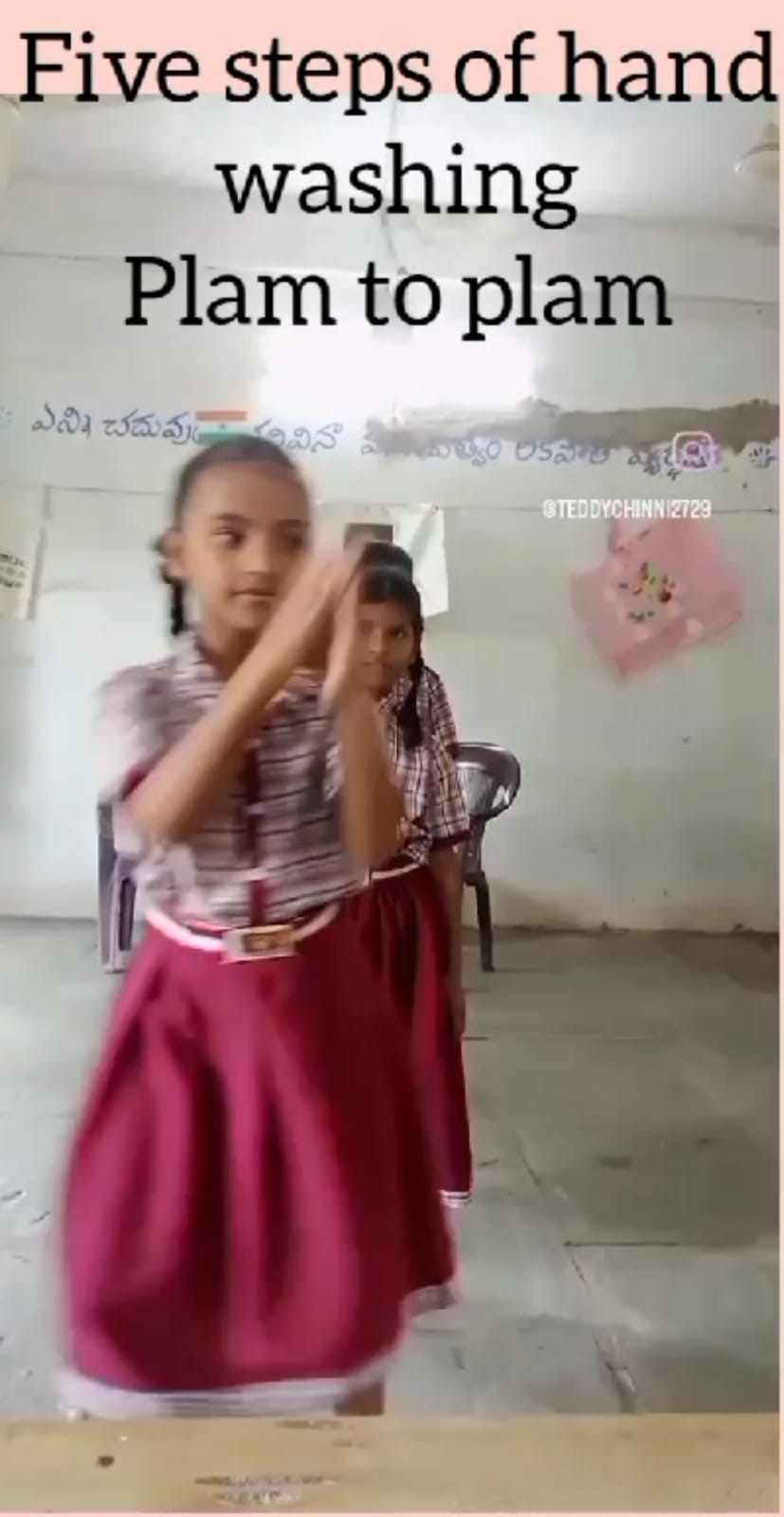
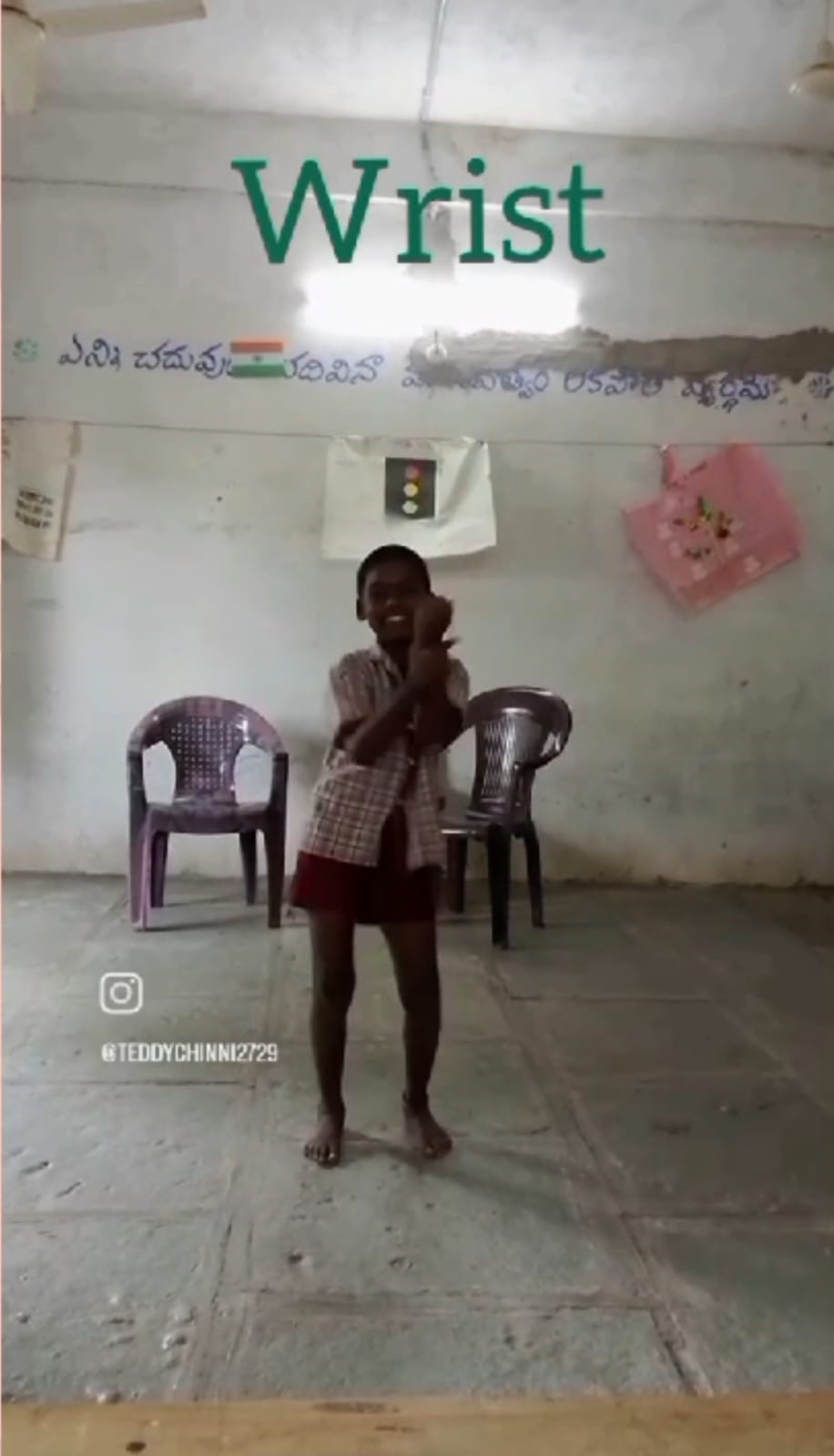
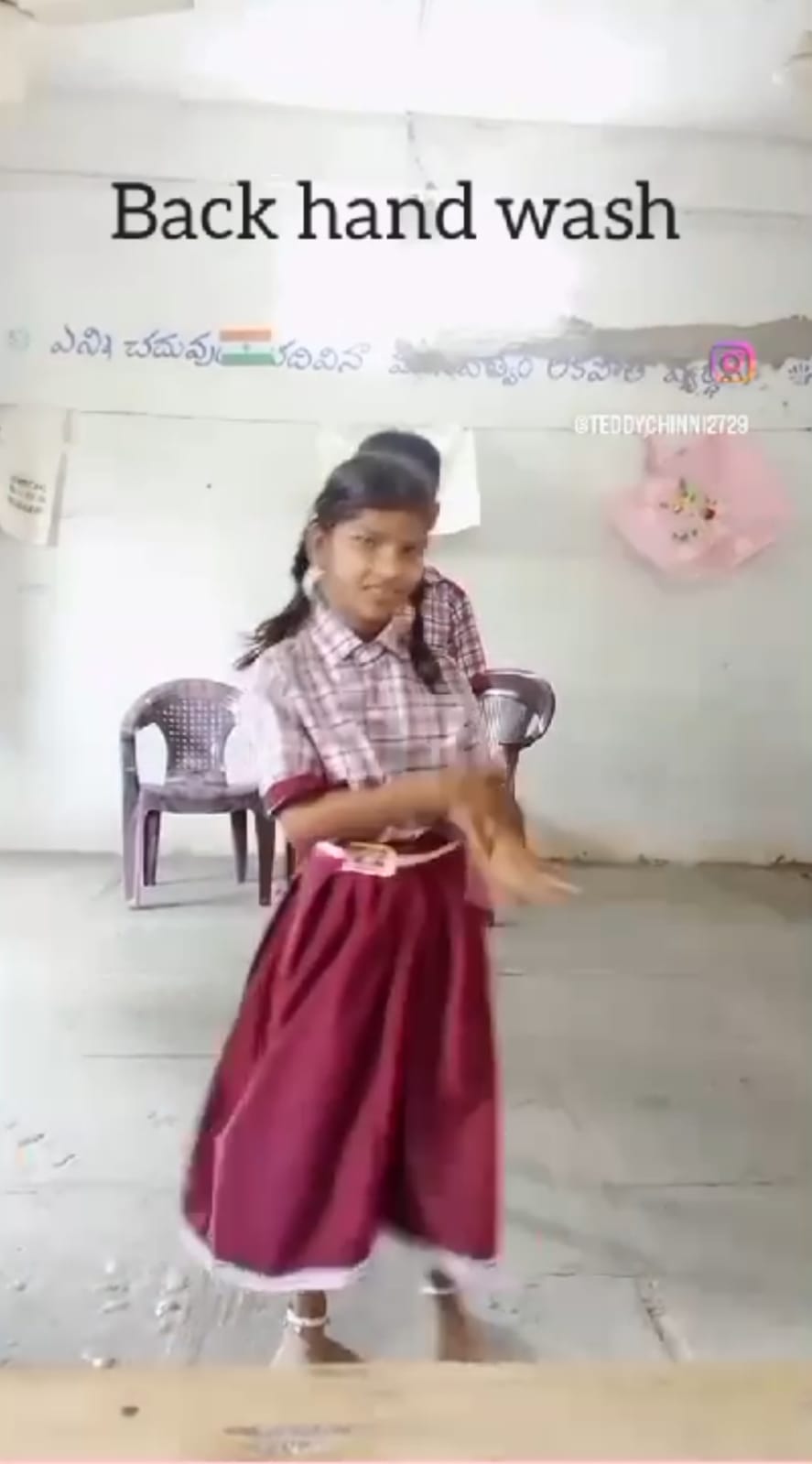
Students performed a lively skit showing the “Five Steps of Handwashing”—wet, apply soap, scrub, rinse, and dry—making the learning memorable and fun. They demonstrated situations in daily life where handwashing is essential, such as before eating, after playing, or after using the restroom. Visual charts and posters created by students were displayed across the school.
The event not only educated children but also encouraged them to take these lessons home, promoting hygiene practices within their families and communities. The day reinforced the message that small habits lead to major improvements in public health.

Diwali Celebrations
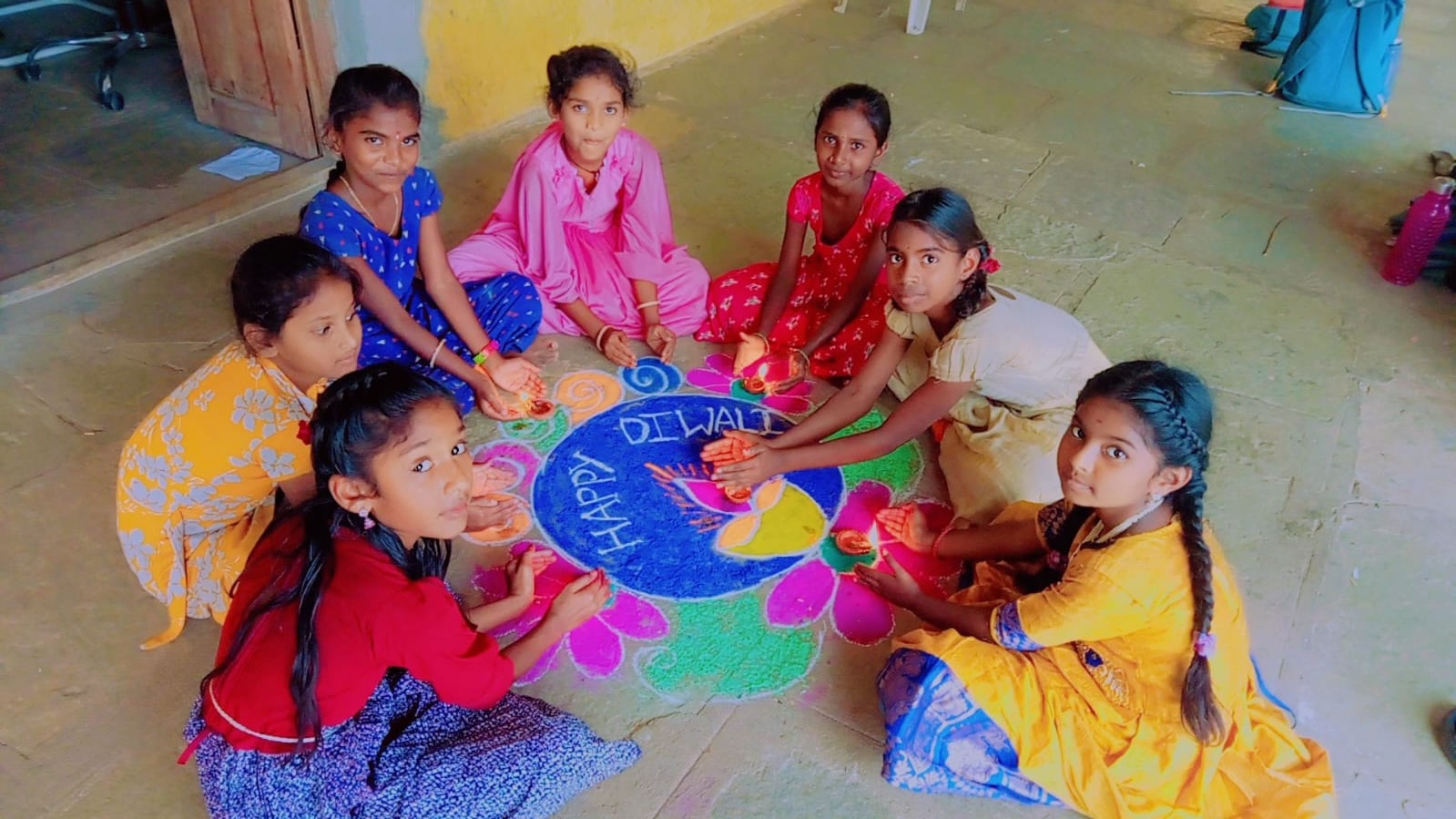
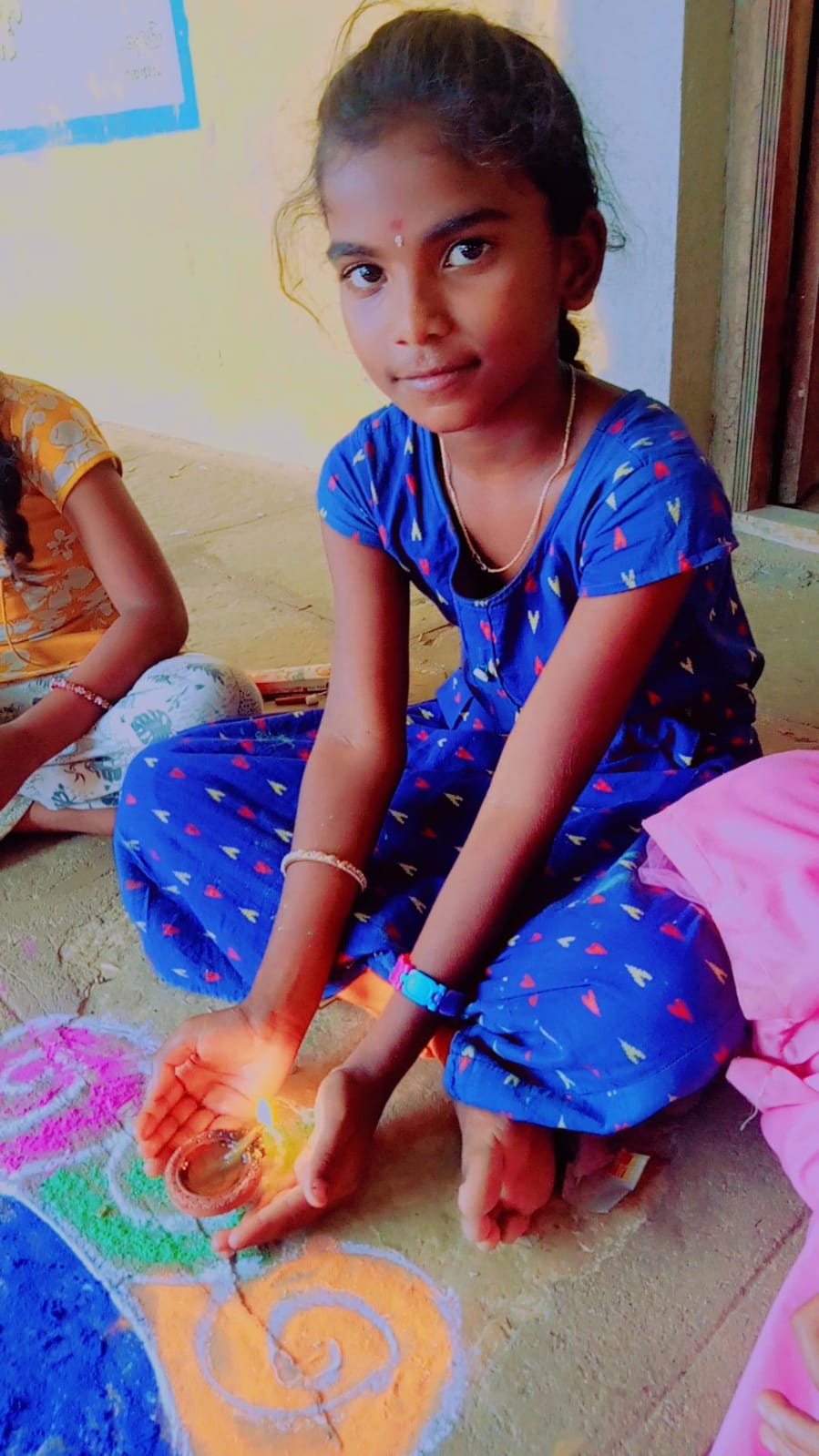
Thimmapur school celebrated Diwali with great excitement and creativity. Students spent the morning designing elaborate rangolis using bright powders, flowers, and diyas. Teachers guided them as they experimented with patterns, shapes, and color combinations. The warm glow of clay lamps lit up the school corridors, creating a festive and welcoming environment.
During the assembly, teachers spoke about the significance of Diwali as a symbol of light triumphing over darkness and good prevailing over evil. Stories from different traditions were shared—such as the return of Lord Rama to Ayodhya—helping students understand the festival’s deeper meaning. The celebration encouraged respect for tradition while also fostering unity and joy.
For many students, the event was memorable because it was a time to express creativity, showcase teamwork, and cherish cultural values. The celebration brought everyone together in an atmosphere filled with laughter, learning, and light.
Diwali Celebrations in Low-Income Families
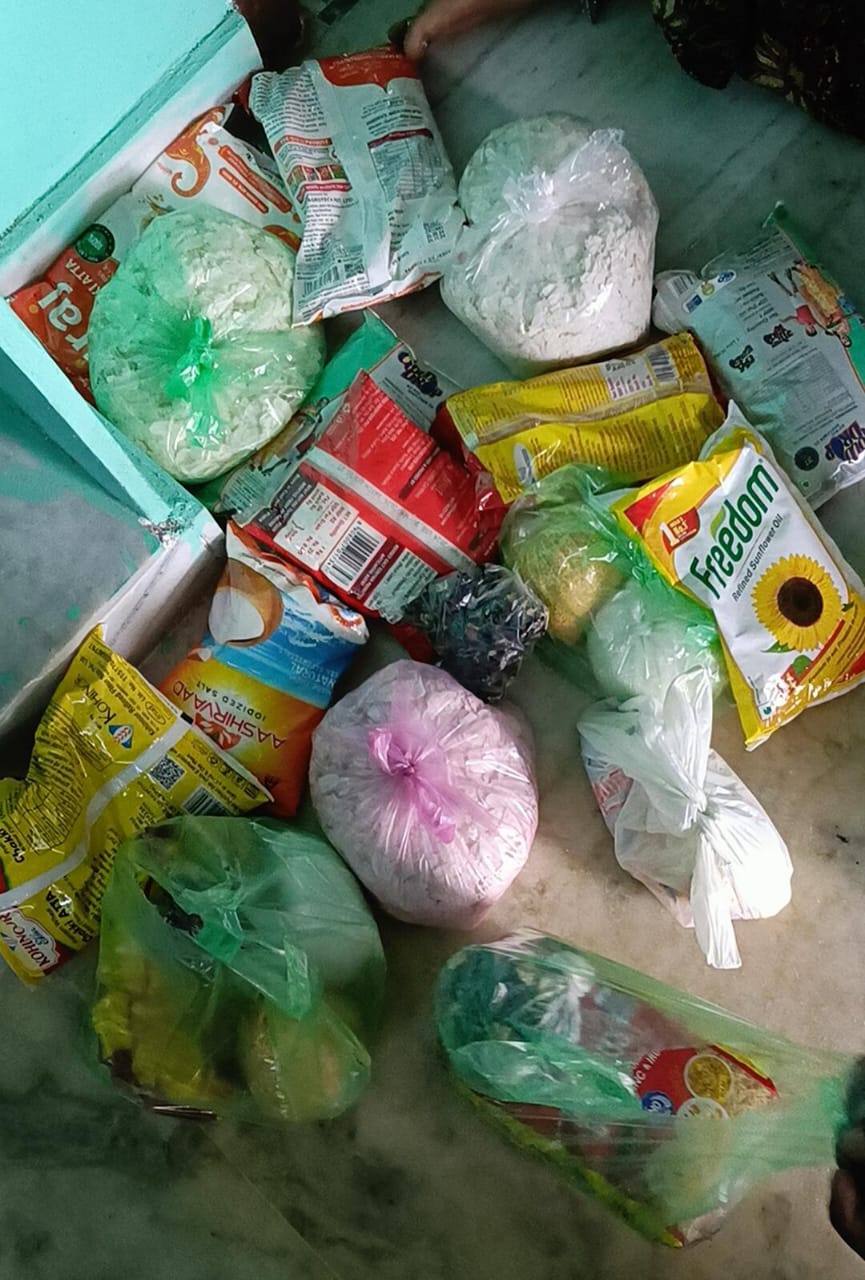
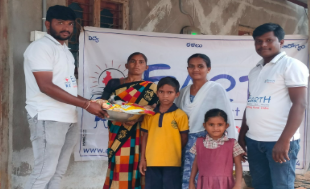
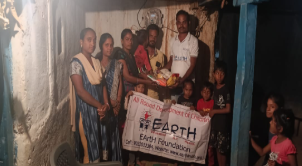
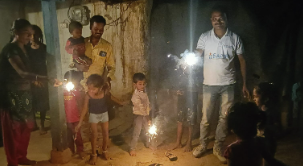
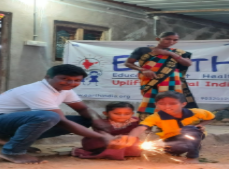
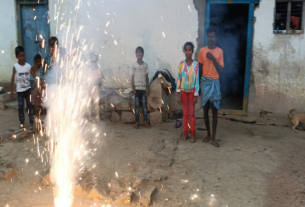
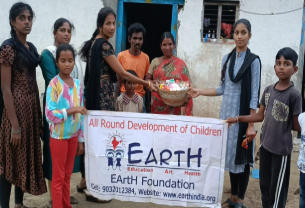
EArtH Foundation organized a heartfelt and meaningful Diwali celebration for children from low-income families in Kasulabad, Jakkapur, and Velkatur. Instead of hosting the event at school, the foundation thoughtfully chose to celebrate at the home of a student who comes from an underprivileged background, making the festival more personal and inclusive.
The Foundation distributed essential festive items such as groceries, basic necessities, and traditional sweets. Fireworks were also provided to ensure the children could experience the joy and excitement of Diwali just like their peers. The event uplifted the family’s spirits and reminded the community that festivals are meant to be shared with compassion and kindness.
This initiative left a deep emotional impact, showing the importance of celebrating festivals in a way that reaches those who need support the most. It stood as a beautiful example of community care and equal celebration.
Health Check-Up in Bahegaon
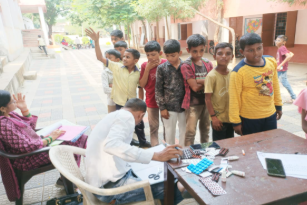
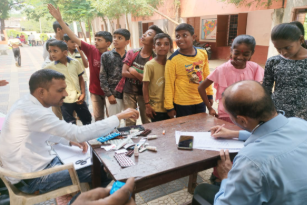
A full-scale health check-up was conducted at the Bahegaon adopted school to ensure the well-being of all students. The medical team examined each child for basic health indicators such as vision, dental health, nutrition levels, height, weight, and general physical condition. Teachers and staff coordinated the event smoothly, ensuring every child was attended to.
The health check-up not only identified children who needed follow-up care but also created awareness about maintaining good health through proper nutrition, hygiene, and regular exercise. Parents were later informed about any medical observations, helping them take timely action if needed. This initiative strengthens EArtH Foundation’s commitment to prioritizing both education and health as essential components of child development.
MAP(Mother Awareness Program)
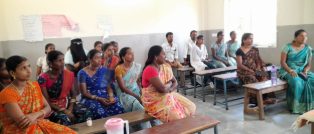
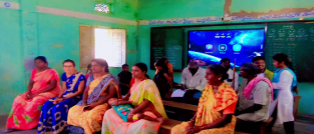
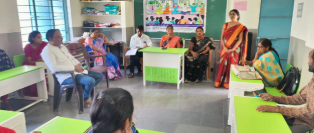
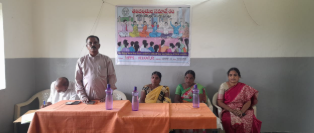
The Mother Awareness Program conducted in Velkatur, Jakkapur, Puligilla, and Cherlapalli focused on strengthening the parent-school partnership in meaningful ways. Mothers attended interactive sessions where they learned about the crucial role they play in shaping their children’s education, habits, values, and emotional well-being.
EArtH Foundation Director Vennela spoke to the mothers about effective parenting strategies—such as encouraging daily studying, building discipline, supporting good behavior, and creating positive routines at home. She emphasized how small, consistent actions at home contribute to major improvements in children’s academic and personal development.
Mothers were encouraged to monitor their children’s progress, spend time reading with them, and maintain open communication with teachers. The program successfully deepened trust, understanding, and cooperation between families and the school system.
Dance
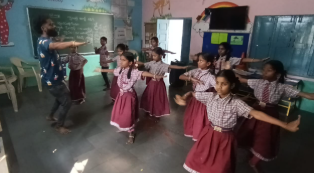
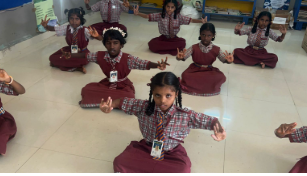
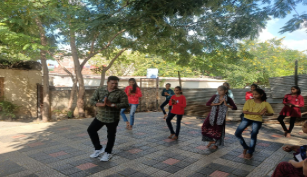
Dance classes across the adopted schools have become a vibrant part of the weekly schedule. In Telangana, students are receiving training in the classical dance form Kuchipudi, learning foundational movements, mudras, expressions, and rhythm. Teachers carefully guide them, instilling grace, discipline, and cultural appreciation.
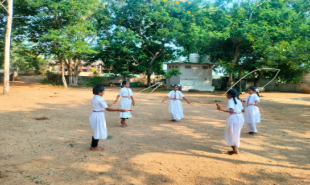
In Maharashtra, students are actively learning the energetic and joyful Garba dance. Sessions are filled with coordinated group movements, rhythmic clapping, music, and laughter. These classes help students express themselves artistically while fostering teamwork, confidence, and cultural pride.
Parents and teachers have noticed improvements in posture, coordination, and self-confidence among students. Dance has become more than an extracurricular activity—it’s a tool for cultural preservation, emotional expression, and holistic development.
Yoga
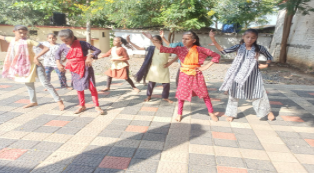
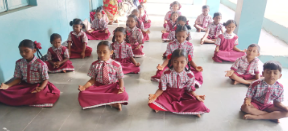
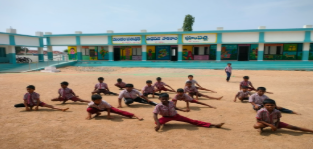
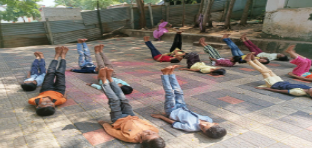
Both Telangana and Maharashtra adopted schools have integrated yoga, meditation, and physical exercises into their daily routines. Every morning, students begin the day with breathing exercises, simple asanas, and short meditation sessions. These practices help improve flexibility, balance, and posture while calming the mind and reducing stress.
Teachers guide students in understanding the connection between physical and mental health. Regular yoga practice has helped many children become more focused, emotionally stable, and self-aware. Mindfulness exercises also improve concentration and classroom behavior, creating a happier and healthier learning environment.
These daily routines support holistic development—nurturing not only the body but also resilience, emotional intelligence, and long-term well-being.

Games
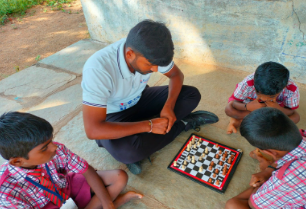
Daily games and physical activities are an essential part of the school routine. Indoor games like chess and carrom improve students’ concentration, strategic thinking, and decision-making. Teachers encourage students to challenge themselves through friendly competitions that enhance patience and mental stamina.
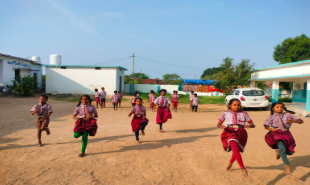
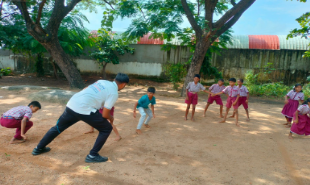
Outdoor games such as kabaddi, skipping, relay races, and running are equally popular. They help students improve physical fitness, stamina, teamwork, and sportsmanship. These activities teach children the importance of cooperation, discipline, and perseverance—skills that extend far beyond the playground.
Physical activity also contributes to better classroom performance, as students who stay active tend to show improved focus, behavior, and well-being.
Art
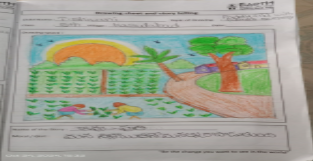
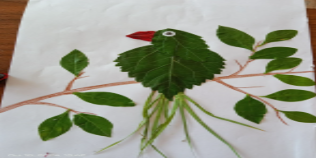
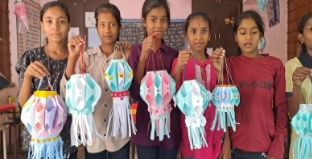
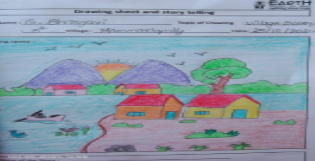
Art programs across the adopted schools continue to nurture imagination and creativity. Students participated in various hands-on projects such as crafting colorful parrots using leaves, creating detailed drawings, and making paper lamps in preparation for festivals. These activities allowed students to explore texture, symmetry, color blending, and design concepts.
Art classes help children develop fine motor skills, patience, problem-solving strategies, and emotional expression. Teachers proudly displayed the artwork around classrooms and hallways, turning the school environment into a gallery of student creativity. Many children expressed joy and confidence as they saw their work appreciated by peers and teachers.
Join EArtH – Empowering Every Child to Learn and Thrive!
Highlighting key progress and meaningful impact from Earth’s ongoing initiatives.
By submitting this form, you are consenting to receive marketing emails from: User's blog. You can revoke your consent to receive emails at any time by using the SafeUnsubscribe® link, found at the bottom of every email. Emails are serviced by Constant Contact